
Oils and Tinctures
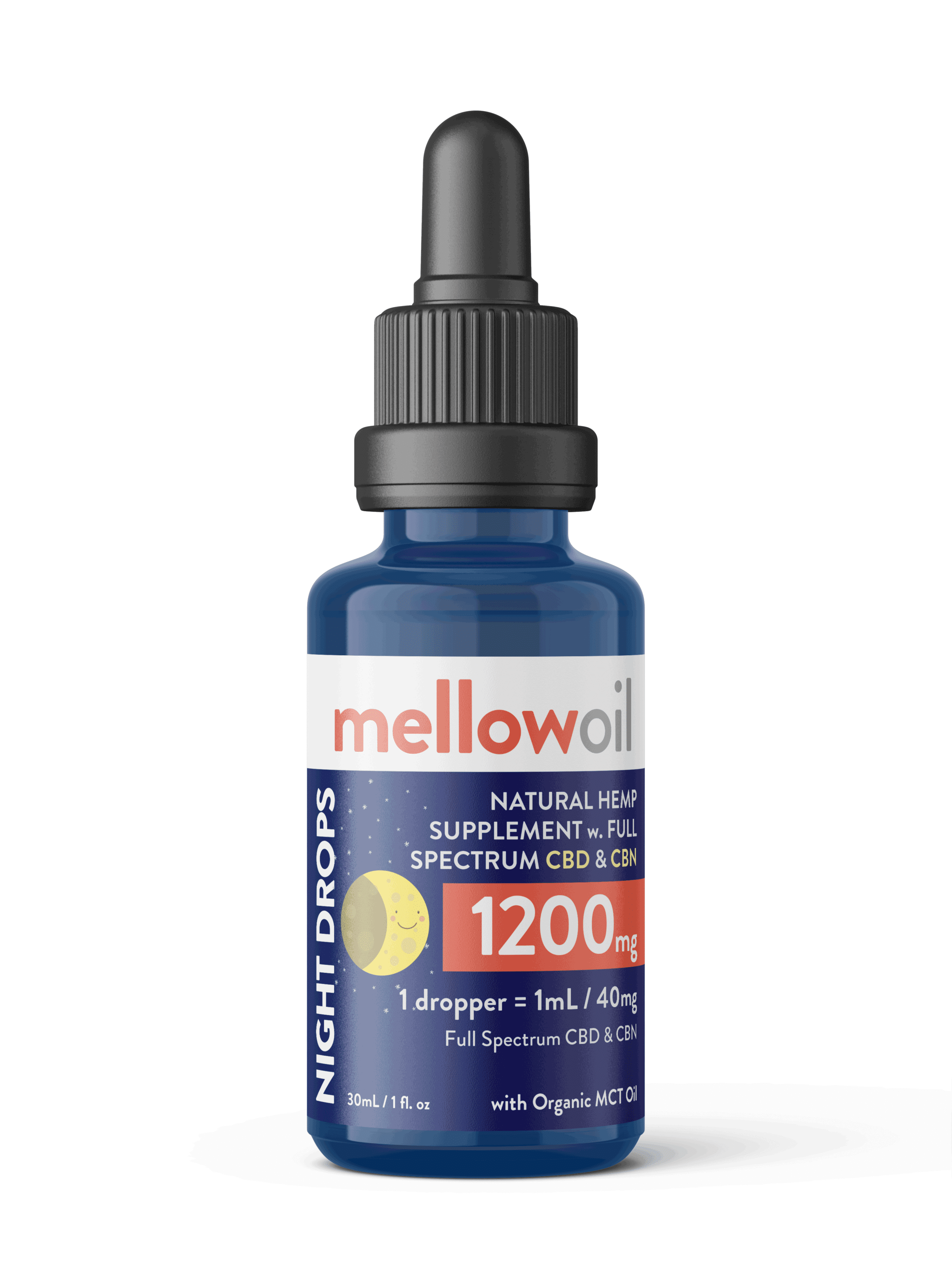
Mellow Oil NIGHT Drops with 1200mg of Full Spectrum CBD and CBN – Cannabinol / 40mg of Cannabinoids per mL
★★★★★★7
$79.99 CAD
CBN (cannabinol) is gaining attention as a sleep aid. Learn what CBN is, how it compares to CBD, whether it's legal in Canada, and where to buy quality CBN products.

CBN — short for cannabinol — is a minor cannabinoid found in aged hemp and cannabis plants. It's not new, but it's having a moment. More Canadians are asking about it, and for good reason: early research and a lot of anecdotal reports point to CBN as one of the more promising natural options for people who struggle to wind down at night. Here's what you actually need to know before you buy.
TL;DR: CBN is a hemp-derived cannabinoid that forms as THC ages and oxidizes. It's non-intoxicating, legal in Canada when sourced from hemp with THC ≤0.3%, and most commonly used as a nighttime sleep support. A 2021 survey by the Centre for Addiction and Mental Health found that 27% of Canadian cannabis users reported using cannabinoids specifically for sleep — CBN is increasingly part of that conversation.
Cannabinol is what you get when THC ages. As the plant material is exposed to air, light, and heat over time, THC slowly oxidizes into CBN — a process that strips away most of the intoxicating properties but leaves behind a compound with its own distinct effects. CBN is one of over 100 cannabinoids identified in the hemp plant, but unlike CBD or THC, it's only ever present in small amounts unless the plant material has had time to age.
In concentrated form, CBN is mildly sedating for most people. It's not a knockout drop — it doesn't work like a sleeping pill. What many users describe is a gradual settling of physical tension and mental noise, the kind that makes falling asleep feel more natural rather than forced.
CBN interacts with the body's endocannabinoid system (ECS), the same regulatory network that CBD engages with. The ECS governs a wide range of functions including mood, pain perception, immune response, and importantly, the sleep-wake cycle.
Unlike CBD, which has a relatively weak affinity for the CB1 and CB2 receptors, CBN binds more directly to CB1 receptors — the ones concentrated in the brain and central nervous system. This more direct binding is thought to contribute to CBN's calming, mildly sedating character. Some research also suggests CBN may interact with TRPV2 receptors, which are involved in pain signalling, though this area is still being studied.
A 2021 study published in Cannabis and Cannabinoid Research found that CBN, even without other cannabinoids present, produced measurable sedation-related effects in animal models. Human clinical trials are still limited, but the early signals are consistent with what users have been reporting for years.
Both CBN and CBD are hemp-derived, non-intoxicating cannabinoids — but they work quite differently and suit different situations.
CBD is the workhorse of the hemp world. It has a broad, regulatory effect on the ECS and is widely used for everyday stress, focus, inflammation support, and general wellness. It doesn't make most people sleepy on its own; rather, it removes the obstacles to sleep by calming anxious thoughts and physical tension.
CBN is more targeted. Its primary value, based on current evidence and widespread user experience, is nighttime use. It has a narrower range of applications than CBD but a stronger direct effect for the specific purpose of helping people settle and stay asleep.
The two are often combined intentionally — a CBN and CBD formula can address both the underlying restlessness (CBD's job) and the direct, physical settling toward sleep (CBN's contribution). That's exactly the thinking behind a well-formulated night drop product.
Yes. Hemp-derived CBN is legal in Canada. Under the Cannabis Act, hemp is defined as cannabis containing no more than 0.3% THC by dry weight. Cannabinoids extracted from compliant hemp — including CBN — can be legally sold and purchased.
Because CBN originates from the oxidation of THC, there's sometimes confusion about its legal status. The key distinction is source and final THC content. A properly processed, third-party tested CBN product derived from hemp will contain negligible THC, well within the legal threshold. Any reputable Canadian retailer selling CBN products should have Certificates of Analysis (COAs) from independent labs confirming THC content and cannabinoid potency.
It's worth noting that Health Canada classifies hemp-derived cannabinoid products under its broader cannabis regulatory framework. Products are required to be clearly labelled, accurately dosed, and free from prohibited contaminants.
The honest answer is that the clinical evidence for CBN specifically is still catching up to its popularity. Most of the well-controlled sleep studies have focused on CBD, THC, or combinations of the two. CBN's research base is thinner, but what exists is encouraging.
A frequently cited pilot study from 2023, conducted by Cansativa Group and published in preliminary form, found that participants using a CBN-containing product reported improvements in sleep onset time and overnight wakefulness compared to baseline. The sample was small, and the study wasn't placebo-controlled, so it doesn't prove causation — but it adds to a growing body of consistent anecdotal evidence.
A 2019 study in The Permanente Journal — one of the strongest to date on cannabinoids and sleep — found that 66.7% of participants using CBD reported improved sleep scores within the first month. CBN was not the focus of that study, but it reinforced the broader picture of cannabinoids having a meaningful role in sleep support for many people.
Early research suggests CBN may be most effective for people whose sleep difficulties stem from physical tension or a racing mind at bedtime, rather than from a clinical sleep disorder. It's not a substitute for medical evaluation if your sleep problems are severe or long-standing.
Not all CBN products are created equal. A few things to look for when shopping in Canada:
Third-party lab testing. This is non-negotiable. The COA should confirm CBN potency (not just CBD), verify THC is within legal limits, and screen for pesticides, heavy metals, and residual solvents.
Delivery format. Sublingual drops (tinctures held under the tongue) have the fastest onset — typically 15 to 30 minutes. Gummies and capsules take longer (45 to 90 minutes) but the effects tend to last further into the night. For sleep, many people prefer drops for the speed of onset.
Combined formulas. Look for products that pair CBN with CBD and, ideally, complementary ingredients like melatonin, L-theanine, or chamomile extract. CBN on its own can be effective, but a synergistic formula tends to cover more of the bases that keep people awake.
Concentration. CBN is typically present in smaller amounts than CBD in most formulas — anywhere from 5 mg to 25 mg per serving. Anecdotally, many users find that 10 to 15 mg of CBN alongside 25 to 50 mg of CBD is a useful starting range for sleep, though individual responses vary considerably.
CBN isn't one-size-fits-all. Body weight, metabolism, the nature of your sleep difficulty, and tolerance to cannabinoids all influence how much you'll need.
A sensible starting point for most adults is a low dose — around 5 to 10 mg of CBN — taken 30 to 45 minutes before bed. Hold drops under the tongue for 60 to 90 seconds before swallowing for the fastest sublingual absorption. Give the dose at least three to five nights before deciding whether to adjust up.
Some people find their sweet spot quickly. Others need a couple of weeks of consistent use before noticing a clear difference. The endocannabinoid system responds to cannabinoids differently over time, and what doesn't seem to do much in week one may feel quite different by week three.
If you're currently taking any medications, particularly ones with a sedative effect, check with a pharmacist or physician before adding CBN to your routine. Even non-intoxicating cannabinoids can interact with certain drug classes.
The CBN market in Canada has grown quickly, which means quality varies widely. Online retailers offer the most selection, but scrutinize every product for third-party testing documentation before purchasing. Avoid anything that doesn't publish a current COA, makes treatment or cure claims, or doesn't clearly list CBN content in milligrams per serving.
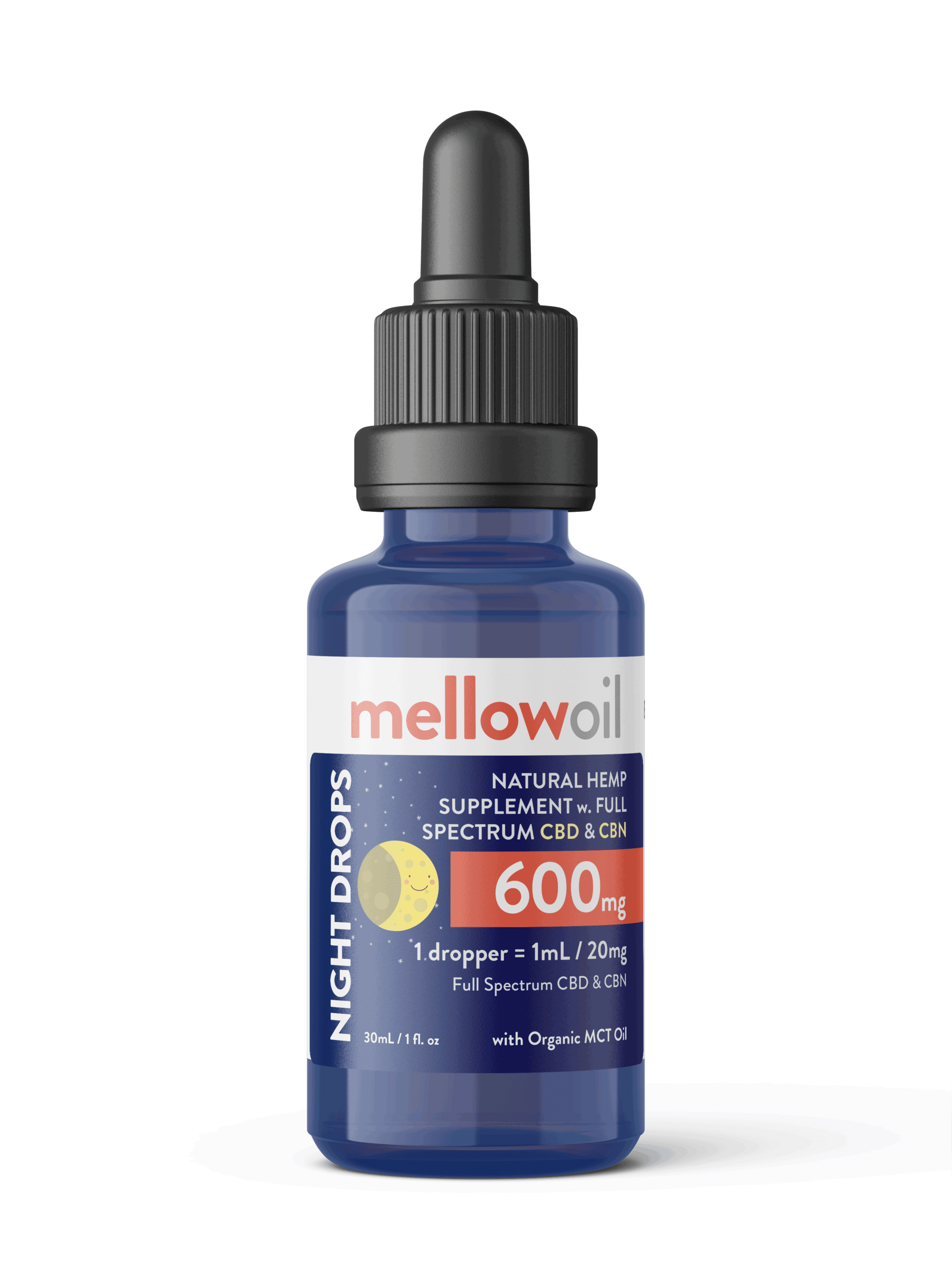
If you're looking for a tested, transparently labelled place to start, our CBN Night Drops are available in our shop alongside the full COA. The formula combines CBN with full-spectrum CBD — designed specifically for nighttime use and made from Canadian-compliant hemp.
CBN is a wellness supplement, not a medicine. Nothing in this post should be read as medical advice, and CBN products are not intended to diagnose, treat, cure, or prevent any condition. If you have a diagnosed sleep disorder, persistent insomnia, or any health condition affecting your sleep, speak with a healthcare provider before adding CBN to your routine.
That said, for the many Canadians who simply find it hard to quiet down at the end of the day, CBN is one of the more genuinely interesting natural options available right now — backed by a plausible mechanism, a growing research base, and a lot of consistent real-world feedback. It's worth understanding.
Will CBN make me feel high? No. CBN is non-intoxicating. Even though it originates from the oxidation of THC, the chemical transformation strips away the psychoactive properties. At typical supplement doses, CBN does not produce the euphoric or disorienting effects associated with THC.
Can I take CBN every night? Many people do use CBN nightly without issue. CBN doesn't appear to cause the dependency or rebound effects associated with pharmaceutical sleep aids. That said, some sleep experts suggest occasional breaks from any sleep supplement to avoid reliance. It's a personal decision, and consulting a healthcare provider is always a reasonable step.
How long before bed should I take CBN drops? For sublingual drops, 30 to 45 minutes before bed is a practical target. This gives the CBN time to absorb and reach noticeable effect before you want to be asleep. If you're using gummies or capsules, extend that to 60 to 90 minutes.
Is CBN safe to take with melatonin? Many CBN formulas already include melatonin as a complementary ingredient. Combining the two is common and generally considered safe for most adults. If you're adding both separately, start with a lower melatonin dose (0.5 to 1 mg is often sufficient) and see how you respond before increasing.
Does CBN show up on a drug test? This is a reasonable concern. Standard drug tests screen for THC metabolites, not CBN. A properly tested, hemp-derived CBN product should contain only trace THC well below 0.3%. However, no cannabinoid product carries a guarantee of a clean drug test result, especially for people subject to sensitive workplace testing. If this is a concern for you, consult your employer's policy and speak with the product manufacturer about their THC content.
The information in this article is for educational purposes only and is not intended as medical advice. Always consult with a healthcare professional before starting any new supplement, including CBD products.
Sources & Further Reading
Oils and Tinctures
Oils and Tinctures
Oils and Tinctures
Weight-based CBD dosing chart for Canadians. Find your starting dose in mg based on body weight, use case, and product type — plus a free calculator to personalize it further.

CBD isn't a weight loss drug — but there's real science behind how it may support better sleep, lower stress, and a healthier metabolism. An honest look at the evidence.

CBD quiets a racing mind; CBN promotes physical drowsiness. Together, they offer a non-habit-forming natural sleep approach. Here's how they work, how to dose them, and what to look for in a product.