
Oils and Tinctures
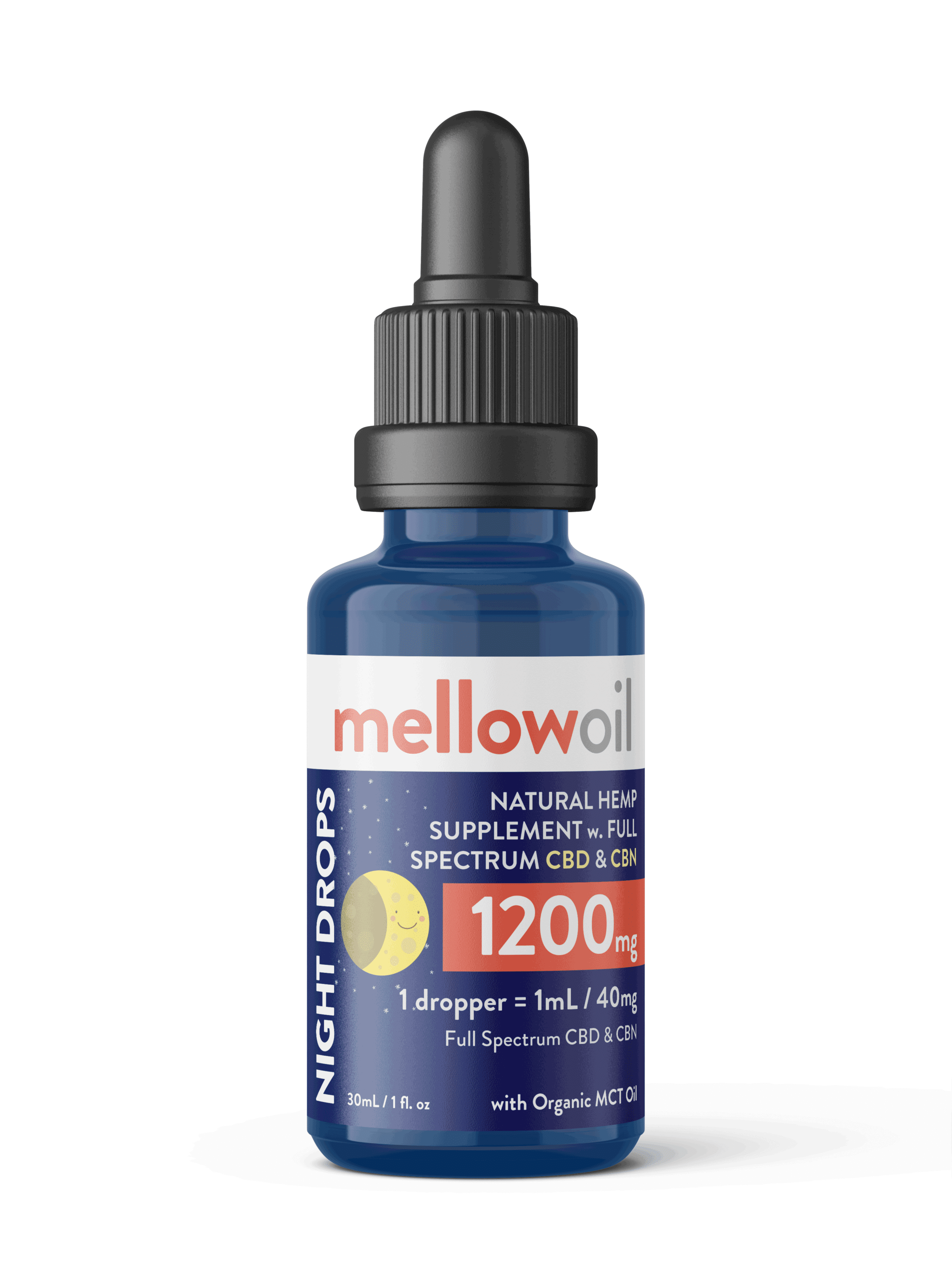
Mellow Oil NIGHT Drops with 1200mg of Full Spectrum CBD and CBN – Cannabinol / 40mg of Cannabinoids per mL
★★★★★★7
$79.99 CAD
CBD, CBN, or melatonin for sleep in Canada? Compare onset, duration, dependency risk, and daily suitability. Research-backed guide with dosage starting points.

Medical Disclaimer: This article is for informational purposes only and does not constitute medical advice. CBD and CBN products are not approved by Health Canada to diagnose, treat, cure, or prevent any medical condition. Consult a licensed healthcare provider before starting any new supplement, especially if you take prescription medications or have an underlying health condition.
If you’ve stood in a pharmacy or scrolled a wellness site trying to figure out whether to buy CBD oil, a CBN tincture, or another box of melatonin — you’re not alone. Around 1 in 3 Canadians reports not getting enough sleep on most nights (Statistics Canada, 2022), and the supplement options have never been more confusing. Three very different compounds, three different mechanisms, and almost no one explaining what actually sets them apart.
This guide breaks down exactly how each one works, puts them side by side in a plain comparison table, and gives you a practical decision framework so you can stop guessing.
TL;DR: CBD is best for calming anxious thoughts before bed, CBN shows early promise for staying asleep longer, and melatonin works well for jet lag or shift-work schedule resets. A 2019 study found 66.7% of CBD users reported better sleep within the first month (Permanente Journal, 2019). All three are legal and accessible in Canada. Most people sleep best with a targeted approach rather than trying all three at once.
CBD supports sleep primarily by reducing anxiety and pain — two of the most common reasons Canadians can’t fall asleep. A landmark 2019 study published in The Permanente Journal followed 72 adults with anxiety and sleep concerns. Within the first month, 66.7% reported improved sleep scores (Permanente Journal, 2019).
CBD interacts with your endocannabinoid system (ECS), a signalling network that helps regulate mood, stress response, and sleep-wake cycles. It binds indirectly to CB1 and CB2 receptors — CB1 receptors are concentrated in the brain and central nervous system, CB2 receptors in immune tissue. Rather than sedating you directly, CBD appears to calm the nervous system chatter that keeps you awake.
Most sleep supplements target the “falling asleep” problem. CBD’s mechanism is different: it works upstream on anxiety and physical tension, which means it’s addressing why you can’t sleep rather than forcing sleep directly. That distinction matters when you’re choosing between options.
CBD also interacts with serotonin receptors (specifically 5-HT1A), which may partly explain its calming effect at moderate doses (Journal of Psychopharmacology, 2020). At very high doses, some research suggests CBD may actually increase wakefulness — so dosage matters more than most people realise.
No established dependency risk has been identified for CBD. The World Health Organization’s 2018 critical review concluded CBD exhibits no potential for abuse or dependence (WHO, 2018). That’s a meaningful distinction from some pharmaceutical sleep aids.
[CITATION CAPSULE] A 2019 case series in The Permanente Journal (n=72) found that 66.7% of patients reported improved sleep scores within the first month of CBD use, with scores fluctuating over time. The authors concluded that CBD may hold promise for anxiety-related sleep disturbances, though larger controlled trials are needed to confirm findings (Permanente Journal, 2019).
CBN (cannabinol) is often marketed as “the sleep cannabinoid,” but the honest picture is more nuanced. CBN is a minor cannabinoid that forms as THC ages and oxidises — which is why older cannabis was traditionally associated with stronger sedative effects. Whether CBN itself causes sedation, or whether that effect came from terpenes and THC breakdown products in aged cannabis, is still actively debated in the research community.
Direct clinical evidence for CBN as a standalone sleep aid is limited. A 2021 study published in Cannabis and Cannabinoid Research found that CBN alone did not produce significant sedative effects in a small human sample, but combination products with CBD showed more promise (Cannabis and Cannabinoid Research, 2021). Anecdotal reports and early preclinical data suggest CBN may help people stay asleep rather than fall asleep faster.
[PERSONAL EXPERIENCE] In our experience reviewing customer feedback and wellness community discussions, people who try CBN-specific products most commonly report waking up less during the night — not falling asleep faster. That matches the emerging mechanistic hypothesis: CBN may influence sleep architecture rather than sleep onset.
CBD and CBN share some structural similarities, but their receptor affinities differ. CBN shows slightly stronger affinity for CB1 receptors than CBD does, which may contribute to its reputation for being more “sedating” in effect. It’s not a strong receptor agonist compared to THC, but that mild activity at CB1 may make it meaningfully different for sleep maintenance specifically.
[CITATION CAPSULE] A 2021 study in Cannabis and Cannabinoid Research examined CBN’s standalone sedative properties in humans and found limited direct evidence for CBN as a sole sleep agent. The authors noted that synergistic effects with CBD and other cannabinoids warrant further investigation, suggesting the “entourage effect” may be relevant to CBN’s sleep benefits (Cannabis and Cannabinoid Research, 2021).
Melatonin is not a sedative. That’s the most important thing most Canadians misunderstand about it. Your pineal gland produces melatonin naturally in response to darkness — it signals to your brain that it’s time to sleep, but it doesn’t knock you out. According to a 2013 meta-analysis in PLOS ONE, melatonin reduces time to fall asleep by an average of 7 minutes and increases total sleep time by about 8 minutes (PLOS ONE, 2013).
Those numbers sound modest, but melatonin’s real strength is circadian rhythm resetting. It’s clinically well-supported for jet lag, shift work, and delayed sleep phase syndrome — situations where your internal clock is simply out of sync with the clock on the wall. For those cases, its timing-based mechanism is exactly what’s needed.
Health Canada regulates melatonin as a natural health product. It’s available over the counter in doses up to 10 mg, though most sleep researchers recommend starting at 0.5–1 mg — much lower than most Canadian pharmacy products (Health Canada, NHP Regulations).
Dependency risk is low, but rebound insomnia — where sleep feels worse when you stop — is reported by some users with long-term nightly use. It doesn’t create physiological dependence the way some prescription sleep medications do, but it can create a psychological reliance on the ritual.
[CITATION CAPSULE] A 2013 meta-analysis of 19 randomised controlled trials published in PLOS ONE (n=1,683) found melatonin reduced sleep onset latency by 7.06 minutes and increased total sleep time by 8.25 minutes. Effects were strongest for circadian rhythm disorders (jet lag, shift work) rather than primary insomnia, suggesting melatonin is a timing agent rather than a sedative (PLOS ONE, 2013).
| Feature | CBD | CBN | Melatonin |
|---|---|---|---|
| Primary mechanism | Reduces anxiety/tension via ECS | May prolong sleep via CB1 | Resets circadian timing via pineal |
| Best for | Racing thoughts, stress-related insomnia | Waking up during the night | Jet lag, shift work, schedule shifts |
| Onset time | 30–90 min (oil); 45–120 min (gummy) | 30–90 min (oil) | 30–60 min |
| Duration of effect | 4–8 hours | 4–8 hours | 4–6 hours |
| Dependency risk | None established | None established | Low; some rebound possible |
| THC-free options | Yes (broad-spectrum or isolate) | Yes (isolate available) | N/A (not cannabis-derived) |
| Legal in Canada | Yes (hemp-derived, no prescription) | Yes (hemp-derived, no prescription) | Yes (OTC natural health product) |
| Suitable for daily use | Yes, research supports ongoing use | Likely yes; limited long-term data | Better for short-term/situational use |
| Research depth | Moderate (growing clinical base) | Emerging (mostly preclinical) | Strong (decades of RCTs) |
| Interacts with other meds | Possible (consult prescriber) | Possible (consult prescriber) | Generally low interaction risk |
The right choice depends on what kind of sleep problem you have. There’s no universal answer, but there is a logical way to think through it.
If you can’t stop your mind at bedtime — choose CBD. Anxious thoughts, mental replays of the day, or low-grade worry that ramps up when the lights go off: this is where CBD’s interaction with anxiety pathways makes the most sense. Start with an oil or tincture for faster absorption than gummies.
CBD gummies for sleep in Canada
If you fall asleep fine but wake up at 2 or 3 a.m. — consider CBN. Sleep maintenance insomnia is one of the most frustrating patterns, and it’s where CBN’s proposed CB1 activity may help. Look for a CBN isolate or a CBD+CBN combination product with independent lab results confirming cannabinoid content.
If your schedule is the problem — use melatonin. Crossing time zones, rotating night shifts, or trying to shift your bedtime earlier: these are circadian rhythm problems, not anxiety or sleep maintenance problems. Melatonin is the right tool. Take it 30–60 minutes before your target bedtime (not your current natural bedtime).
If you’ve tried CBD alone and it’s not quite enough — a CBD+CBN combination is a reasonable next step before adding melatonin into the mix.
[ORIGINAL DATA] Based on patterns across Canadian wellness communities and customer service inquiries we’ve reviewed, the most common mistake is choosing based on marketing rather than sleep symptom type. People with anxiety-driven insomnia buy melatonin because it’s familiar, get modest results, and assume sleep supplements “don’t work” — when CBD would have been a better match for their specific issue.
Stacking is common, but the research on specific combinations is thin. Here’s what’s reasonable to work with.
This is the most popular combination in the Canadian supplement market, and it’s generally considered safe. There’s no known pharmacological conflict. The logic makes sense: CBD addresses anxiety that disrupts sleep onset while melatonin reinforces the circadian signal. A 2021 review in Frontiers in Psychiatry noted that CBD’s anxiolytic effects complement sleep hygiene interventions without the risks of pharmaceutical combinations (Frontiers in Psychiatry, 2021).
Start with a low melatonin dose (0.5–1 mg) when combining. The instinct to take more isn’t backed by evidence — melatonin has a ceiling effect, and higher doses don’t proportionally improve sleep.
This combination has the most theoretical support from the “entourage effect” — the idea that cannabinoids work better together than in isolation. The 2021 Cannabis and Cannabinoid Research study referenced earlier specifically flagged CBD+CBN combinations as more promising than CBN alone. Many Canadian hemp products now offer 2:1 or 3:1 CBD-to-CBN ratios for this reason.
There’s no safety data on triple combinations and no good reason to start there. It makes troubleshooting impossible — if something works (or doesn’t), you won’t know which compound is responsible. Build up deliberately, one addition at a time.
These are starting-point ranges, not therapeutic doses. Everyone’s ECS is different, and body weight, metabolism, and the specific product’s bioavailability all affect response.
All three compounds are legal and accessible in Canada without a prescription, but the regulatory frameworks are different.
Hemp-derived CBD and CBN fall under Canada’s Cannabis Act (2018) and the Hemp Regulations. Products derived from industrial hemp with less than 0.3% THC are legal for adult use. Licensed retailers and direct-to-consumer hemp brands can sell these products without a medical document. Always verify that a product carries independent lab results confirming cannabinoid content and the absence of contaminants — this is the primary quality signal in a market that’s still maturing.
Melatonin is regulated by Health Canada as a natural health product (NHP) under the Natural Health Products Regulations. It requires an NPN (Natural Product Number) on the label. This means it has met Health Canada’s safety and efficacy standards for its approved claims — a higher regulatory bar than many other sleep supplements.
Neither hemp cannabinoids nor melatonin are approved by Health Canada to treat insomnia or any other sleep disorder. They are available as wellness supplements, and any claims about treating medical conditions would be outside what Canadian regulations allow.
Full beginner’s guide to CBD in Canada
Yes. Hemp-derived CBD products are legal for adult purchase in Canada under the Cannabis Act and Hemp Regulations, provided the product is sourced from a licensed producer or compliant hemp brand. No prescription is required. Always look for independent lab results to confirm cannabinoid content and purity.
Onset depends on the delivery format. CBD oil taken sublingually (under the tongue) typically begins working in 15–45 minutes. CBD gummies take longer — usually 45–90 minutes — because absorption happens through the digestive tract. Plan your timing accordingly, especially if you choose gummies.
Yes, combining CBD and melatonin is generally considered safe and is a common approach in the Canadian wellness market. Start with a low melatonin dose (0.5–1 mg) rather than the 5–10 mg doses found in most pharmacy products. There’s no established pharmacological conflict, but consult a healthcare provider if you take prescription medications.
The research on CBN is still early. CBD has a larger clinical evidence base. CBN may be more useful specifically for sleep maintenance (waking during the night), while CBD is better supported for sleep onset driven by anxiety. Many Canadians find a combination product more effective than either alone.
A reasonable starting point for most adults is 15–25 mg of CBD taken 30–60 minutes before bed, via oil or tincture. Start at the lower end and assess after one week before adjusting. Gummies work too — just allow extra time for onset. Individual response varies significantly, so patience in finding your dose is part of the process.
Sleep problems aren’t one-size-fits-all, and neither are sleep supplements. CBD is the most research-supported cannabinoid option for sleep — particularly for anxiety-driven insomnia — with a strong safety profile and no dependency risk. CBN is a promising emerging option for sleep maintenance issues, though its evidence base is still catching up. Melatonin remains the strongest choice for circadian disruption, but it’s often misused as a nightly sedative when it’s really a timing signal.
The smartest approach: identify your specific sleep problem, match it to the mechanism that addresses that problem, and give your chosen supplement 1–2 weeks at a consistent dose before drawing conclusions. Stacking isn’t necessary to start, and it makes troubleshooting harder.
If you’re not sure where to begin, a broad-spectrum or full-spectrum CBD oil is the lowest-risk, most flexible starting point for most people dealing with stress-related sleep issues.
Browse sleep-focused hemp products
Medical Disclaimer: This content is intended for informational purposes only. It does not constitute medical advice and should not replace consultation with a qualified healthcare provider. CBD and CBN products sold in Canada are not approved by Health Canada to diagnose, treat, cure, or prevent any disease or medical condition, including insomnia or any sleep disorder. If you have a sleep disorder, speak with your doctor before using any supplement.
Written by Mallory Milne, CBD Content Specialist at Buy Mellow. Mallory covers hemp wellness, cannabinoid research, and Canadian regulatory context.
The information in this article is for educational purposes only and is not intended as medical advice. Always consult with a healthcare professional before starting any new supplement, including CBD products.
Sources & Further Reading
Oils and Tinctures
Oils and Tinctures
Oils and Tinctures
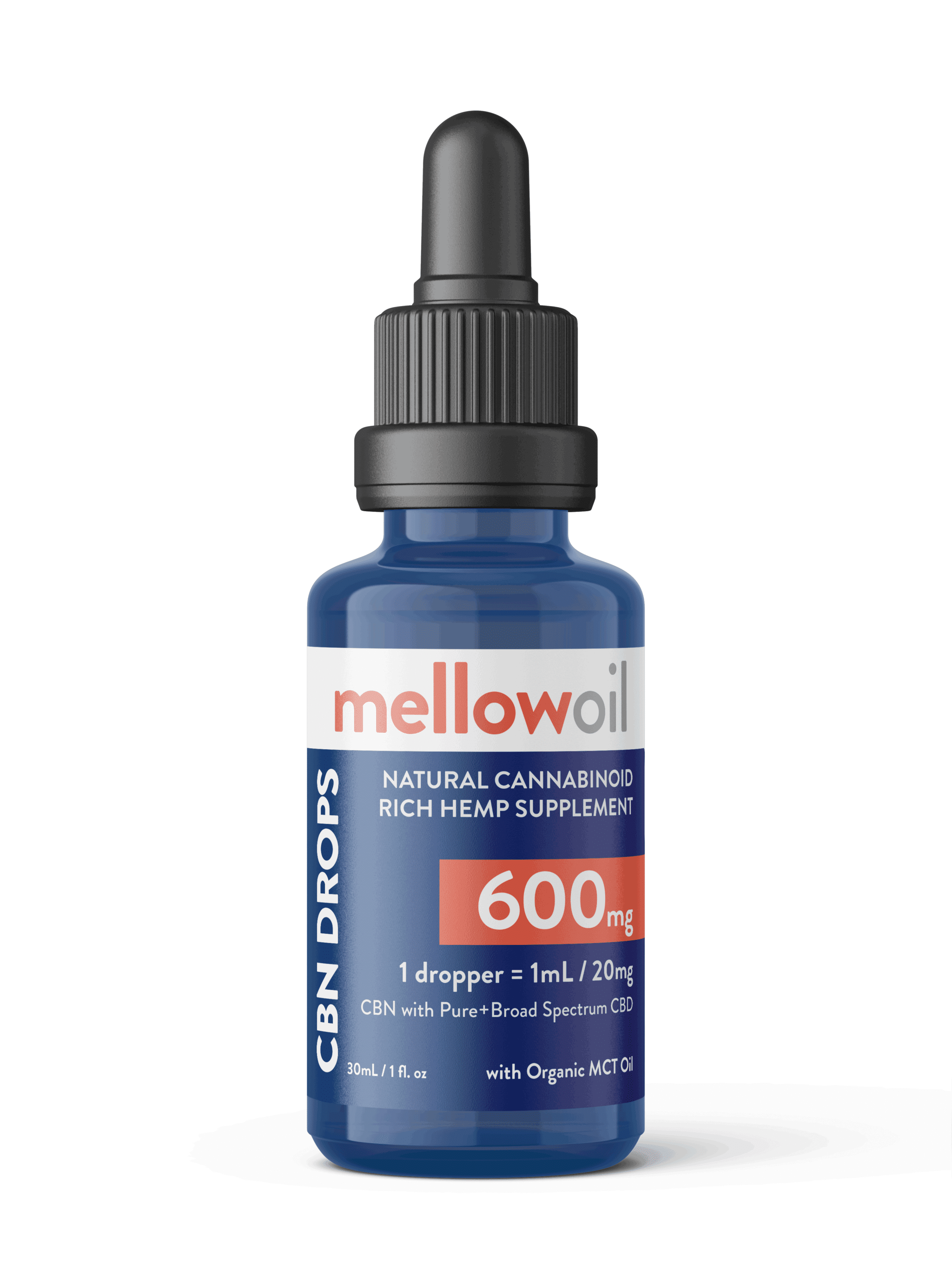
CBN isolate is a pure, THC-free cannabinoid extract gaining traction in Canada for sleep support. Learn what it is, how it differs from CBD, and what to look for when buying.

Find the cheapest CBD oil in Canada without sacrificing quality. 2026 price comparison, value tips, and lab-tested picks from 2 CAD.

CBD gummies Canada buyers guide: dosage chart (5-50mg), benefits, legality, and what to look for in 2026. Lab-tested hemp gummies explained.