
Oils and Tinctures
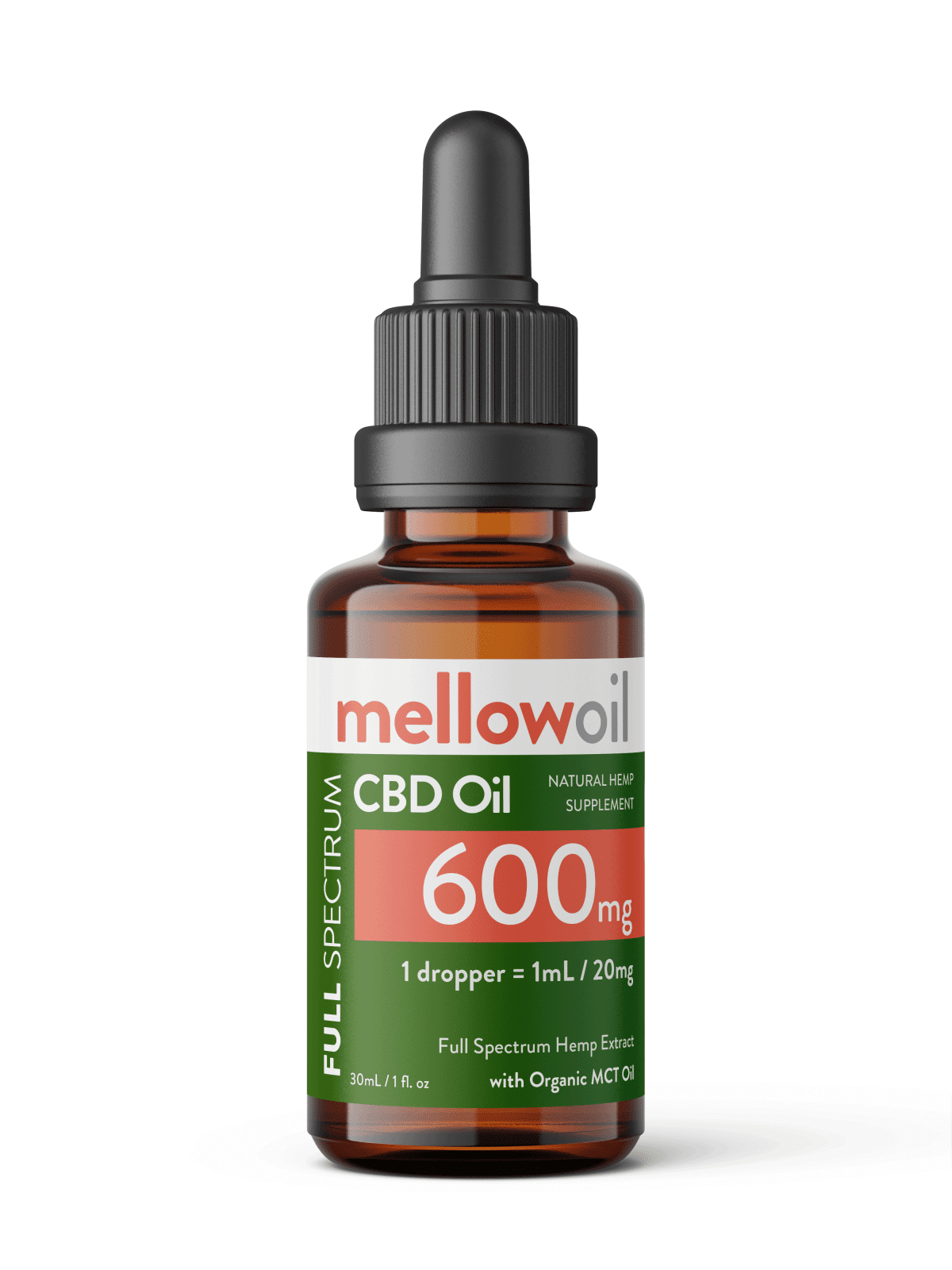
Mellow Oil Full Spectrum CBD Oil 30ml with 600mg Cannabidiol / 20mg CBD per mL
★★★★★123
$30.00 CAD
New to CBD? We break down what cannabidiol is, how it works in the body, why full-spectrum differs from isolate, and what to look for when buying CBD oil in Canada.

CBD — short for cannabidiol — is a naturally occurring compound found in the hemp plant (Cannabis sativa). Unlike THC (tetrahydrocannabinol), CBD is non-intoxicating: it won't get you high, and it won't appear on a standard workplace drug test at normal doses.
Today, CBD oils, capsules, topicals, and gummies are widely available and used by hundreds of thousands of Canadians for everyday wellness support.
Your body has a built-in system called the endocannabinoid system (ECS). It's a network of receptors (CB1 and CB2) that helps regulate mood, sleep, inflammation, immune response, and pain perception.
CBD doesn't bind directly to these receptors the way THC does. Instead, it modulates them indirectly — slowing the breakdown of your body's own endocannabinoids so they can work longer and more effectively. This gentle, regulatory effect is why CBD is so well-tolerated even at high doses.
Not all CBD is the same. Here are the three main types:
Full Spectrum CBD contains CBD plus all the other naturally occurring cannabinoids in the hemp plant — including trace amounts of THC (under 0.3%), terpenes, and flavonoids. Many users prefer full-spectrum because of the entourage effect: the idea that all these compounds work better together than in isolation.
Broad Spectrum CBD is similar to full-spectrum but with THC removed. A good choice if you want the entourage effect without any THC whatsoever.
Pure CBD Isolate is pure crystalline CBD — 99%+ pure, with nothing else. It's odourless, tasteless, and easy to add to food, drinks, or DIY tinctures. Ideal for those who want total control over dosing.
CBD is used by Canadians for a wide range of everyday wellness goals:
Ready to try? Browse our full selection of CBD oils, each third-party tested for potency and purity.
The information in this article is for educational purposes only and is not intended as medical advice. Always consult with a healthcare professional before starting any new supplement, including CBD products.
Sources & Further Reading
Oils and Tinctures
Oils and Tinctures

Oils and Tinctures
Weight-based CBD dosing chart for Canadians. Find your starting dose in mg based on body weight, use case, and product type — plus a free calculator to personalize it further.

CBD isn't a weight loss drug — but there's real science behind how it may support better sleep, lower stress, and a healthier metabolism. An honest look at the evidence.

CBD quiets a racing mind; CBN promotes physical drowsiness. Together, they offer a non-habit-forming natural sleep approach. Here's how they work, how to dose them, and what to look for in a product.