
Oils and Tinctures
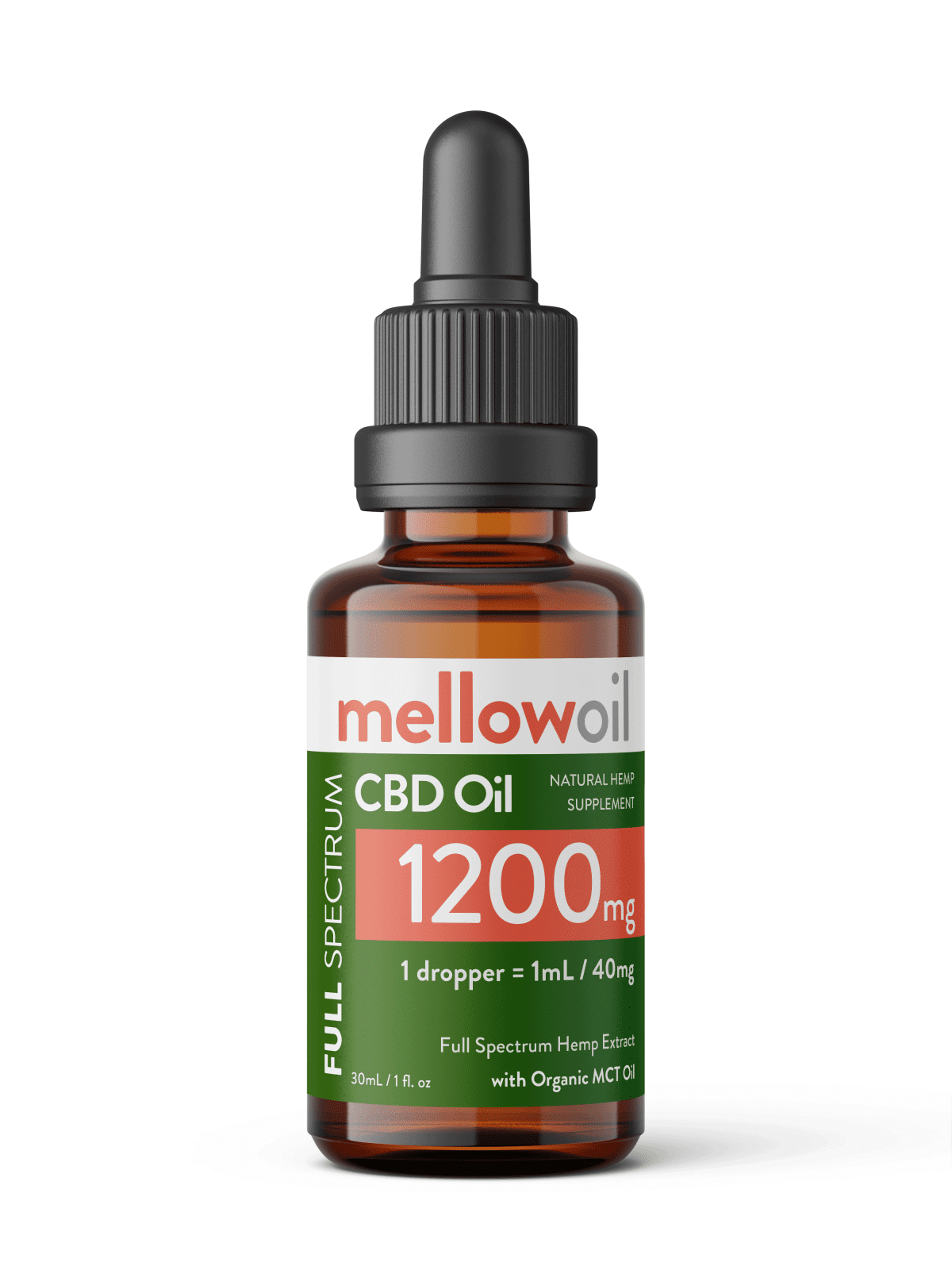
Mellow Oil Full Spectrum CBD Oil 30ml with 1200mg Cannabidiol / 40mg CBD per mL
★★★★★★81
$52.00 CAD
CBD isn't a weight loss drug — but there's real science behind how it may support better sleep, lower stress, and a healthier metabolism. An honest look at the evidence.
There are a lot of bold claims attached to CBD and weight management. Most of them are overblown. Here's what the research actually supports — and what it doesn't.
CBD is not a fat burner. It doesn't suppress appetite the way stimulant-based compounds do. There's no strong clinical evidence in humans that taking CBD directly causes weight loss.
If you're looking for a compound that does the work for you, this isn't it.
The endocannabinoid system (ECS) — the system CBD interacts with — plays a documented role in regulating metabolism, appetite, and energy storage. That makes the cannabinoid-weight connection worth examining, even though most of the meaningful human research is still early.
Stress and cortisol. Chronic stress drives cortisol production, and sustained high cortisol is associated with increased fat storage (particularly abdominal) and cravings for calorie-dense foods. CBD's anti-anxiety effects are among its best-documented properties across multiple human studies. Whether reducing stress translates into weight outcomes is an indirect pathway, but the mechanism is established.
Sleep quality. Poor sleep disrupts ghrelin and leptin — the hormones that regulate hunger and fullness. Sleep deprivation raises ghrelin (you feel hungrier) and drops leptin (you feel less satisfied). CBD's most consistent reported benefit in user surveys is improved sleep quality. Better-regulated sleep supports better hunger hormone balance. A CBN + CBD combination is particularly well-suited for evening use.
Recovery and activity. CBD's anti-inflammatory properties are well-studied. For people who manage discomfort, soreness, or recovery as a barrier to consistent physical activity, a full spectrum tincture or topical may reduce friction. More consistent activity is a real input into weight management.
Brown fat (early-stage research). Animal studies suggest CBD may promote "fat browning" — converting white adipose tissue (storage fat) to brown adipose tissue (which burns energy). This is interesting science. It does not yet have meaningful human clinical backing.
The honest version of the CBD-weight connection is indirect:
None of these are guaranteed, and none of them bypass the fundamentals. But if CBD helps you sleep better and manage stress more effectively, those are meaningful inputs.
Not sure what dose to start with? Use the free Mellow CBD Dosage Calculator — it takes 30 seconds and gives you a starting dose based on your weight and goal.
Full spectrum tinctures for daily use. Sublingual (under the tongue for 60 seconds before swallowing) gives faster, higher absorption than swallowing directly. 20–30mg/day is a common starting point.
CBN isolate or a CBD/CBN blend for sleep. CBN is the cannabinoid most associated with sleep support. Adding it to an evening dose or DIY tincture specifically targets the sleep angle.
Topicals for local recovery. Addresses specific sore areas post-activity without sedation — can be used any time of day.
Capsules for consistent daily dosing. Longer onset, but a predictable and convenient format if you prefer not to measure.
CBD is at best a supporting tool in a weight management context — not a standalone solution. The fundamentals are sleep, stress management, and physical activity. If CBD helps with any of those, it's a rational addition. If not, no amount of cannabidiol changes the underlying equation.
The information in this article is for educational purposes only and is not intended as medical advice. Always consult with a healthcare professional before starting any new supplement, including CBD products.
Sources & Further Reading
Oils and Tinctures

Oils and Tinctures
Oils and Tinctures
Weight-based CBD dosing chart for Canadians. Find your starting dose in mg based on body weight, use case, and product type — plus a free calculator to personalize it further.

CBD quiets a racing mind; CBN promotes physical drowsiness. Together, they offer a non-habit-forming natural sleep approach. Here's how they work, how to dose them, and what to look for in a product.

There's no universal CBD dose. Here's how to find the right amount for your body, your goals, and your product — with a simple starting framework any Canadian can follow.