
Oils and Tinctures
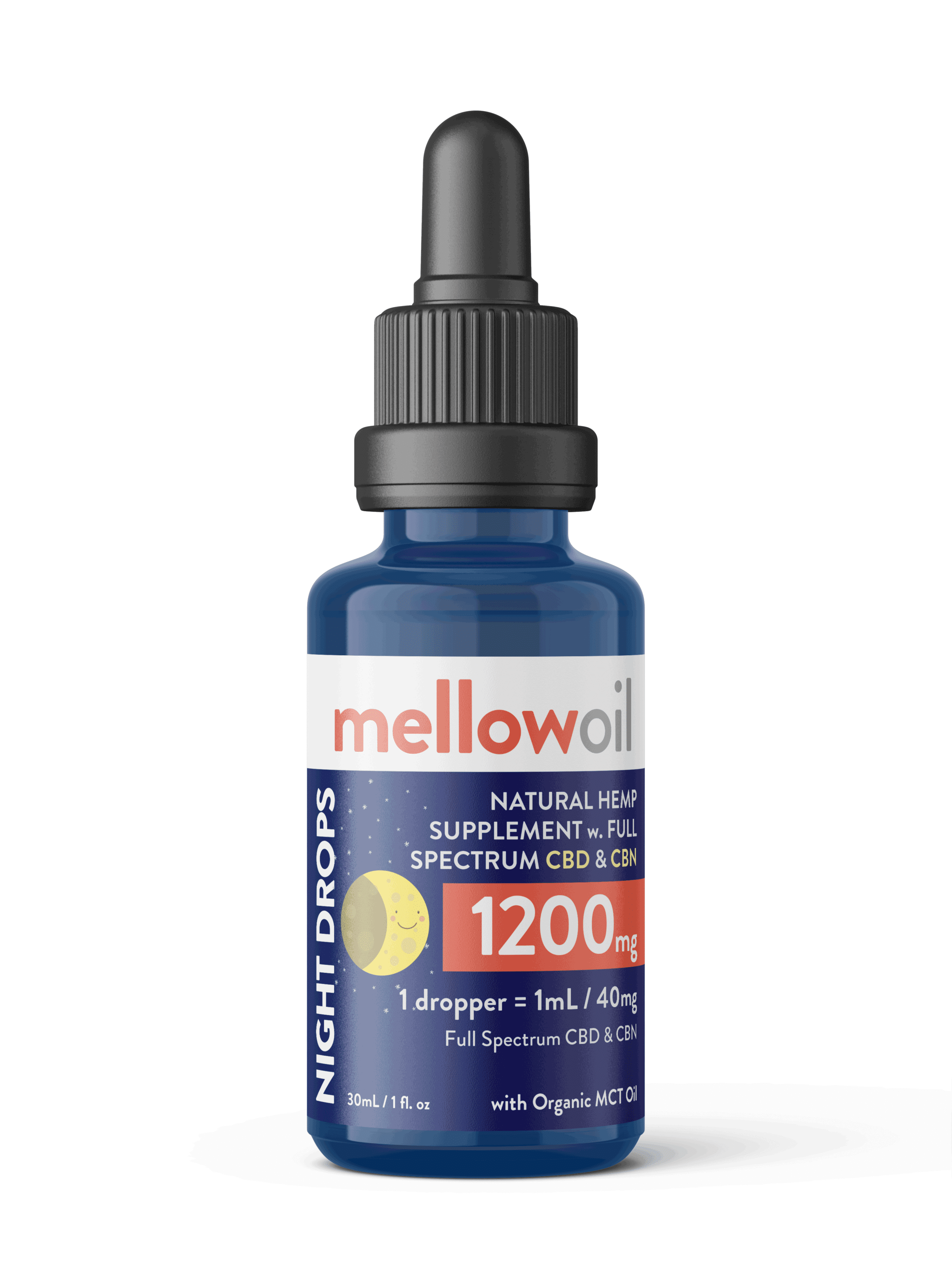
Mellow Oil NIGHT Drops with 1200mg of Full Spectrum CBD and CBN – Cannabinol / 40mg of Cannabinoids per mL
★★★★★★7
$79.99 CAD
CBD quiets a racing mind; CBN promotes physical drowsiness. Together, they offer a non-habit-forming natural sleep approach. Here's how they work, how to dose them, and what to look for in a product.

Sleep issues among Canadian adults are widespread, and the demand for solutions that don't carry the dependency risk of pharmaceutical sleep aids has driven significant interest in cannabinoid-based approaches. CBD and CBN are the two cannabinoids with the strongest evidence for sleep support — and they work through different mechanisms, which is why combining them tends to be more effective than using either alone.
CBD (cannabidiol) doesn't make you drowsy directly. Its sleep benefit comes from what it removes: anxiety, physical tension, and mental restlessness. CBD interacts with the 5-HT1A serotonin receptor and the CB1/CB2 cannabinoid receptors, producing anxiolytic effects that are among its most studied properties across human trials.
For people whose poor sleep is driven by a mind that won't turn off — racing thoughts, worry, pre-sleep anxiety — CBD addresses the upstream cause. You're not being sedated; the barrier to sleep is being removed.
CBN (cannabinol) develops as THC oxidizes over time in the hemp plant. It's a naturally occurring breakdown product with a distinct profile from other cannabinoids.
CBN is specifically associated with physical sedation. It interacts more directly with CB1 receptors (similar to THC, but with much weaker potency and no psychoactive effect), and appears to interact with GABA receptors that promote muscle relaxation and drowsiness. Users consistently report:
CBN is not psychoactive at therapeutic doses. It will not produce a high.
CBD and CBN address sleep from different directions:
| CBD | CBN | |
|---|---|---|
| Primary mechanism | Anxiolytic — calms the nervous system | Sedative — promotes physical drowsiness |
| Main sleep benefit | Reduces lying-awake time from a racing mind | Helps you fall asleep and stay asleep |
| Best for | Anxiety-driven sleeplessness | Physical restlessness, frequent wake-ups |
| Works best | Combined with CBN | Combined with CBD |
The combination covers both the mental and physical dimensions of sleeplessness. This is why full-spectrum sleep oils with a deliberate CBD:CBN ratio consistently outperform single-cannabinoid approaches in user reports — the entourage effect amplifies what each cannabinoid does individually.
| Sleep Aid | Main Action | Potential Downsides |
|---|---|---|
| Melatonin | Regulates sleep-wake cycles | Can cause morning grogginess; best for circadian rhythm issues |
| Prescription sleep meds | Affect GABA (e.g., benzodiazepines) | Dependency risk, tolerance, rebound insomnia |
| CBD alone | Anxiety reduction | Limited direct sedation |
| CBD + CBN blend | Anxiety + physical sedation | Minimal dependency risk; works on multiple mechanisms |
A CBD/CBN combination doesn't carry the dependency or tolerance profile of pharmaceutical sleep aids. It's also addressing more of the problem than melatonin alone, which primarily helps with circadian rhythm disruption rather than anxiety-driven insomnia.
Take your dose 30–45 minutes before bed. Hold oil under the tongue for 60–90 seconds before swallowing (sublingual absorption is faster and more complete than swallowing directly).
| Body Weight | Starting Dose | Notes |
|---|---|---|
| 50–70 kg | 0.5 mL | Assess after 3–4 nights |
| 70–90 kg | 0.75 mL | Increase by 0.25 mL if needed after 1 week |
| 90+ kg | 1.0 mL | Adjust to response |
Figures reference a 20 mg/mL full-spectrum blend (10 mg CBD + 10 mg CBN per mL).
Give it at least two weeks of consistent use before drawing conclusions. Cannabinoid effects on sleep tend to build over time as ECS tone stabilizes — the first few nights aren't always representative of what consistent use produces.
Defined CBD:CBN ratio — you need to know how much of each you're getting per mL, not just total cannabinoids.
Full-spectrum formulation — the presence of the full terpene and cannabinoid profile (including myrcene, linalool, and other sleep-associated terpenes) enhances the entourage effect beyond what CBD and CBN alone provide.
Third-party lab testing — confirm cannabinoid potency, THC content (should be under 0.3%), and absence of contaminants.
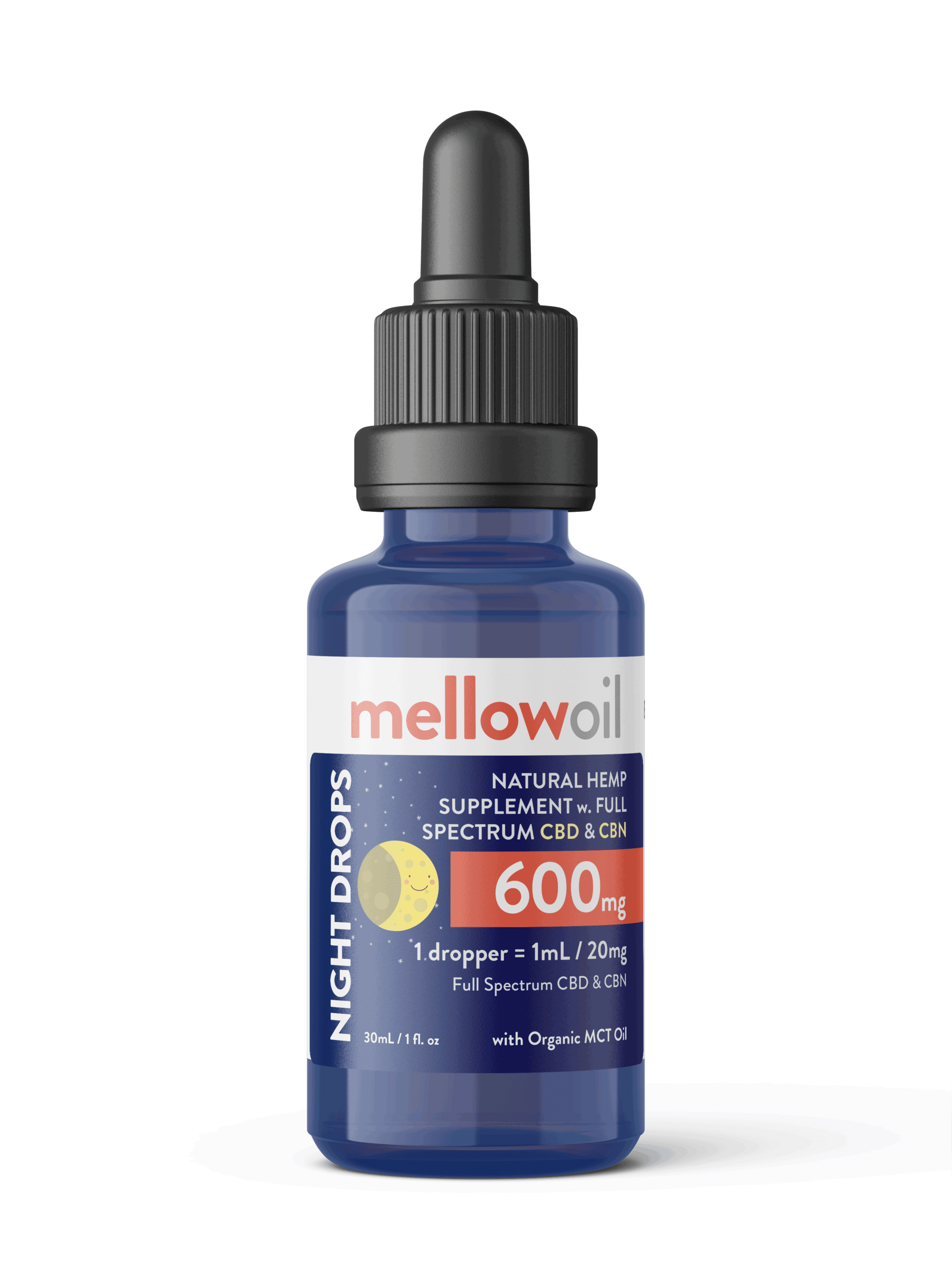
Mellow Night Drops are formulated specifically for sleep: 600 mg full-spectrum oil with both CBD and CBN in a 20 mg/mL blend. Unscented, precisely dosed, and designed for consistent nightly use.
Cannabinoids work best as part of a consistent wind-down routine:
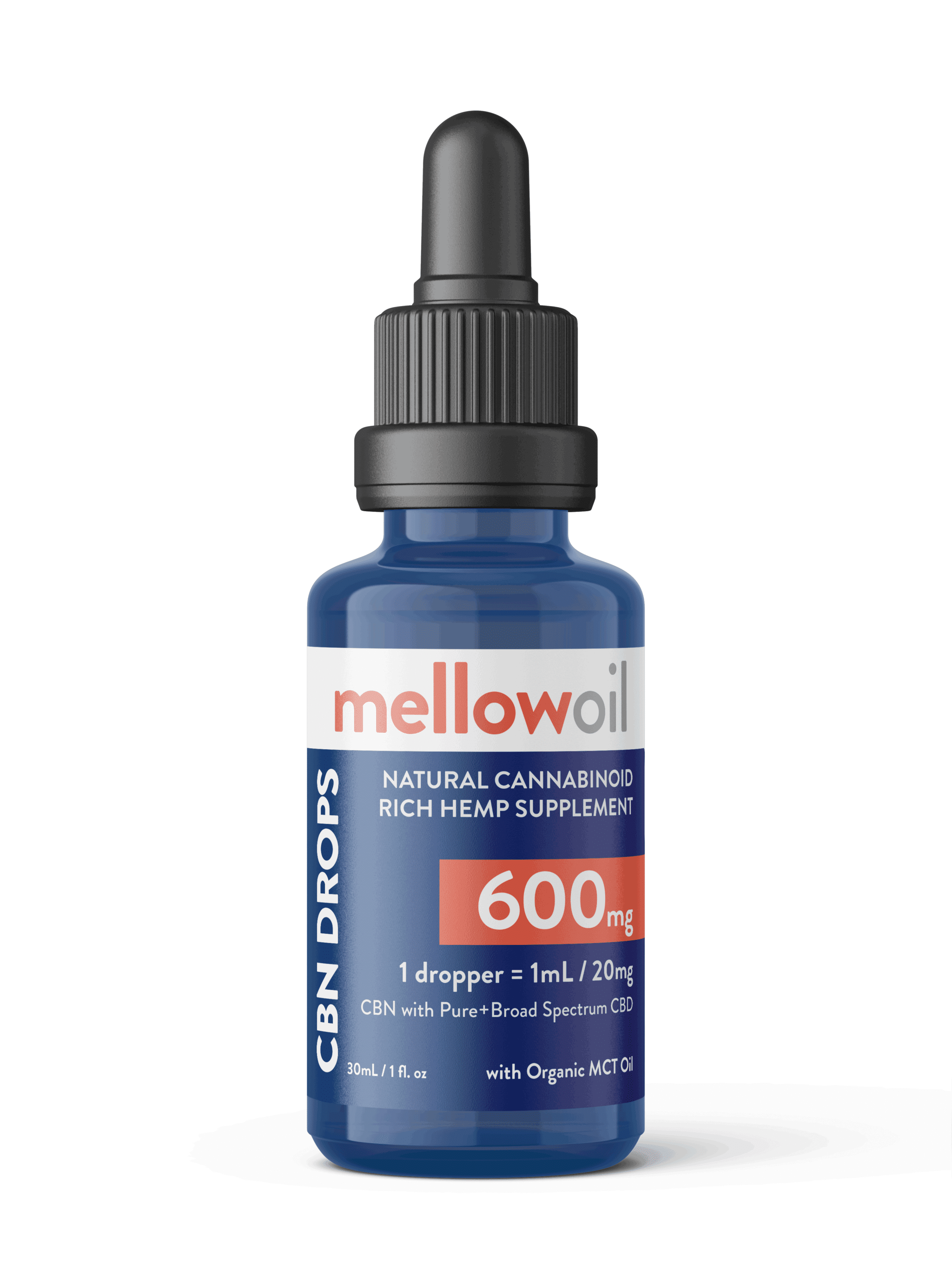
If you want to build a custom blend, pure CBN isolate dissolves readily in MCT oil and can be combined with a full spectrum CBD tincture or CBD isolate at any ratio you prefer. The advantage: full control over both the cannabinoid concentrations and the delivery oil.
Starting ratio: 1:1 CBD to CBN by mg. Many users adjust toward more CBN (2:1 or 3:1 CBD:CBN) once they've established baseline response.
Hemp-derived CBD and CBN products are legal for adult purchase in Canada. They're produced from hemp plants (under 0.3% THC) and do not require a prescription. Full-spectrum products contain trace THC (under 0.3%) — this is legal and does not produce psychoactive effects at these concentrations.
For individuals subject to drug testing: pure CBD isolate and CBN isolate are the zero-THC options. Full-spectrum products carry a small but real risk of THC registering in sensitive drug screening.
Speak with a healthcare professional before use if you have existing health conditions or are taking prescription medications. CBD and CBN can interact with certain drugs, including blood thinners and CNS depressants.
The information in this article is for educational purposes only and is not intended as medical advice. Always consult with a healthcare professional before starting any new supplement, including CBD products.
Sources & Further Reading
Oils and Tinctures
Oils and Tinctures
Oils and Tinctures
Weight-based CBD dosing chart for Canadians. Find your starting dose in mg based on body weight, use case, and product type — plus a free calculator to personalize it further.

CBD isn't a weight loss drug — but there's real science behind how it may support better sleep, lower stress, and a healthier metabolism. An honest look at the evidence.

There's no universal CBD dose. Here's how to find the right amount for your body, your goals, and your product — with a simple starting framework any Canadian can follow.