
Oils and Tinctures
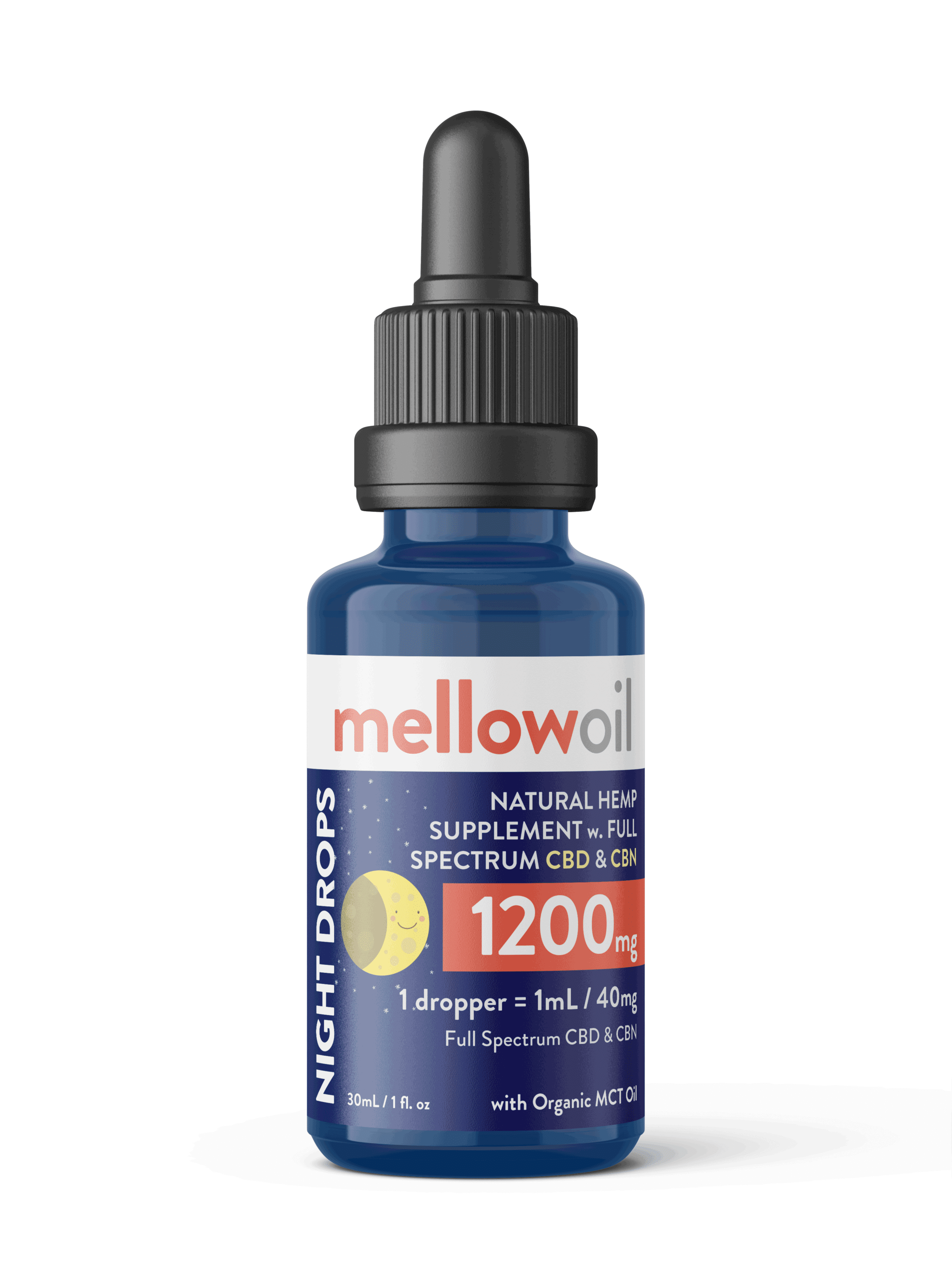
Mellow Oil NIGHT Drops with 1200mg of Full Spectrum CBD and CBN – Cannabinol / 40mg of Cannabinoids per mL
★★★★★★7
$79.99 CAD
Which cannabinoid is best for sleep? Compare CBD alone, CBN alone, and CBD+CBN blends. Canadian product guide with dosage recommendations.

Looking for the right CBD formulation to help you sleep better? Read on to learn what works best for improving your sleep using natural plant-based remedies.
Up to 40 percent of Canadians face disrupted sleep, leading many to seek natural solutions like CBD and CBN to restore restful nights. This overview delivers evidence-based insights into how these cannabinoids influence sleep, helps you make sense of Canadian legal and safety requirements, outlines optimal dosing strategies, and highlights top product recommendations. You’ll learn the science behind CBD and CBN, their comparative benefits, legal guidelines under the Cannabis Act, plus practical advice on choosing oils, gummies, night drops and terpene-enhanced formulations.
TL;DR: CBD eases anxiety-driven insomnia by calming your nervous system, while CBN directly deepens sleep and cuts nighttime awakenings by up to 30%. Together — especially in full-spectrum formulas with sleep terpenes — they offer a natural, non-habit-forming alternative to prescription sleep aids for Canadians.
Reports indicate that approximately 40% of Canadians will experience a sleep disorder during their lifetime, highlighting the widespread nature of sleep issues and their potential to lead to serious health risks over time.
This source supports the article’s introductory statement about the prevalence of disrupted sleep among Canadians.
CBD and CBN are cannabinoids that interact with the endocannabinoid system to regulate sleep-wake cycles, anxiety and inflammation, ultimately promoting more restorative sleep.
Cannabidiol (CBD) interacts with CB1 and CB2 receptors to reduce anxiety and alleviate pain, supporting quicker sleep onset and deeper relaxation. Research shows CBD promotes GABAergic activity in the brain, which calms neural circuits responsible for racing thoughts and stress. By lowering cortisol levels and modulating serotonin, CBD creates an environment that makes falling asleep naturally much easier. Understanding CBD’s calming mechanisms leads us to look at CBN’s more direct sedative effects.
Cannabinol (CBN) binds to TRPA-1 and TRPV receptors to induce sedation and improve sleep continuity by reducing nighttime arousals. This minor cannabinoid forms from oxidized THC and exhibits stronger hypnotic properties, making it the “sleepy cannabinoid.” CBN enhances slow-wave deep sleep by increasing melatonin release and dampening excitatory neurotransmission. Looking at CBN’s sedative pathways sets the stage for comparing it directly with CBD.

Below is a comparison of CBD and CBN focused on their mechanisms and sleep-enhancing effects:
| Cannabinoid | Primary Mechanism | Key Sleep Benefit |
| CBD | Modulates CB1/CB2 & serotonin levels | Reduces anxiety-induced insomnia |
| CBN | Activates TRPA-1/TRPV receptors | Decreases nighttime awakenings |
| CBD+CBN | Synergistic ECS & receptor targeting | Combines relaxation with sedation |
CBD promotes relaxation to ease sleep onset while CBN directly deepens sleep architecture, creating a compelling synergy when combined.
Understanding this synergy leads us to examine how terpenes further enhance the entourage effect for sleep.
The entourage effect describes how cannabinoids and terpenes work together to amplify therapeutic outcomes through multi-receptor modulation. Terpenes like linalool and beta-caryophyllene complement CBD’s anxiolytic action and CBN’s sedation by targeting GABA and endocannabinoid pathways. For instance, linalool promotes GABA release while beta-caryophyllene binds CB2 receptors to reduce inflammation. This collaborative network supports deeper, more restorative sleep and underscores the value of full-spectrum formulations in sleep products.
CBD and CBN offer targeted relief for insomnia, anxiety-related restlessness and frequent awakenings by addressing underlying neurochemical imbalances.
CBD reduces hyperarousal by increasing GABAergic tone and lowering cortisol, which helps individuals fall asleep more easily. It also alleviates chronic pain by attenuating inflammatory signals, removing barriers to uninterrupted sleep. In clinical settings, 66.7 percent of participants reported improved sleep quality after nightly CBD dosing, highlighting its effectiveness for anxiety-induced insomnia and discomfort-driven sleep disruptions. Sound familiar? A lot of people we hear from describe exactly this pattern.
In a clinical chart review of 72 adults, 66.7% of patients reported improved sleep scores within the first month of cannabidiol (CBD) treatment. The study also observed a decrease in anxiety scores, suggesting CBD may be beneficial for anxiety-related disorders.
This citation verifies the article’s statistic regarding the percentage of participants who reported improved sleep quality after nightly CBD dosing in a clinical setting.
Moving from CBD’s broad benefits, CBN targets sleep continuity more directly.
CBN enhances slow-wave sleep by potentiating melatonin secretion and dampening glutamate transmission to reduce micro-arousals. A 2023 study found 20 mg of CBN nightly decreased nighttime awakenings by nearly 30 percent. By stabilizing REM cycles and extending deep-sleep phases, CBN contributes to overall sleep quality and daytime refreshment. This focus on sleep continuity invites a look at combination therapies like melatonin co-formulations.
Combining CBD, CBN, and melatonin taps into multiple pathways — endocannabinoid, TRPV signaling and circadian regulation — to optimize sleep onset and maintenance. Melatonin synchronizes the sleep-wake cycle while CBD relieves anxiety and CBN deepens sedation. Users often report faster sleep onset and fewer interruptions with combination products, reflecting a true multi-mechanism approach to sleep support. With these options in mind, other natural aids also merit consideration.

Beyond cannabinoids, Canadians turn to melatonin, valerian root and magnesium for non-prescription sleep aid.
These alternatives can complement CBD and CBN regimens, creating a holistic approach to sleep wellness.
Staying compliant and ensuring product safety are essential when selecting CBD and CBN formulations.
Starting with 5–10 mg of CBD or 10–20 mg of CBN nightly lets you gradually assess tolerance. Users should “start low, go slow” and adjust doses in 5 mg increments until desired sleep improvements occur. Keeping a sleep journal to track onset, duration and awakenings helps fine-tune personal dosing strategies. This systematic approach maximizes benefit while minimizing side effects.
CBD and CBN are generally well tolerated, but possible side effects include dry mouth, drowsiness and mild gastrointestinal discomfort. These cannabinoids can interact with medications metabolized by CYP450 enzymes — such as antidepressants, blood thinners and antiepileptics — potentially altering their effectiveness. Consulting a healthcare professional before combining cannabinoids with prescription drugs ensures safe and effective sleep management. It depends on your specific medication list, so don’t skip that conversation.
Selecting the right formulation depends on desired onset speed, dosing precision and flavour preferences.
CBN oils deliver precise sedation with rapid sublingual absorption, promoting deep sleep within 30–45 minutes. They often feature natural carrier oils like MCT and organic terpenes for additional relaxation. Top Canadian picks include full-spectrum CBN blends with 20 mg per serving, third-party lab-tested for purity and potency, ensuring consistent sleep support.
Understanding oil advantages prepares us to look at convenient edible formats like gummies.
CBD sleep gummies offer pre-measured doses of 10–25 mg in natural flavours, combining CBD, CBN and melatonin in a single chewable form. These gummies improve dosing accuracy and are discreet for nightly routines. Leading Canadian brands use organic fruit extracts and vegan pectin, guaranteeing non-habit forming, gluten-free options.
Gummies address convenience, but liquid night drops give you flexible dosing and faster absorption.
Night drops should list precise cannabinoid ratios, include a base of carrier oil for bioavailability and feature sleep-enhancing terpenes like linalool. Products that combine CBD, CBN and melatonin in well-balanced ratios deliver multi-mechanism action. Consumers should avoid artificial additives and ensure clear dosing instructions for safe usage.
This focus on formulation characteristics leads to consideration of spectrum types for maximal effect.
Below is a comparison of spectrum types built for sleep:
| Spectrum Type | Composition | Sleep Advantage |
| Full Spectrum | CBD, CBN, minor cannabinoids, terpenes, trace THC | Maximizes entourage effect for relaxation and sedation |
| Broad Spectrum | CBD, CBN, terpenes, no THC | Delivers multi-compound synergy without psychoactive risk |
| Isolate | Pure CBD or CBN | Allows precise dosing, minimal interactions |
Sleep-promoting terpenes complement cannabinoids by engaging additional neurochemical pathways.
Linalool interacts with GABA receptors to reduce neuronal excitability, resulting in calming effects. Beta-caryophyllene binds CB2 receptors to alleviate inflammation and promote relaxation. Myrcene enhances cell membrane permeability, improving cannabinoid absorption and sleep onset.
Recognizing these terpenes’ roles highlights their synergy with CBD and CBN, leading to deeper entourage interactions.
Terpenes create multi-target modulation by engaging neurotransmitter and endocannabinoid pathways alongside cannabinoids. Linalool’s GABAergic action and beta-caryophyllene’s CB2 activity amplify CBD’s anxiolytic and CBN’s sedative effects. This layered approach ensures more consistent, long-lasting sleep improvements by broadening the molecular targets engaged during rest. How do you know which one to pick? In our experience, full-spectrum night drops tend to work best for people who wake up in the middle of the night, while isolates suit those sensitive to THC traces.
Structured approaches to dosing, combinations and professional guidance ensure safe, personalized sleep strategies.
Begin with a baseline of 5 mg CBD or 10 mg CBN and monitor sleep latency and awakenings over one week. Increase by 5 mg increments every 3–4 nights until improvements plateau. Record details — dose, time, sleep quality — to refine ratios that yield the fastest onset and fewest interruptions.
Tracking these metrics clarifies dosage needs before layering additional sleep aids.
Yes, combining cannabinoids with melatonin, valerian or magnesium can offer complementary benefits without undue risk when dosed appropriately. Melatonin synchronizes circadian rhythms while CBD and CBN alleviate anxiety and deepen sedation. You’ll want to introduce one supplement at a time to assess tolerance and avoid additive drowsiness.
Knowing combination strategies informs when to seek medical counsel.
Consultation is advisable if you have liver or kidney disease, take multiple prescription medications, experience persistent side effects or if sleep disturbances last beyond four weeks despite supplementation. A healthcare provider can evaluate potential interactions and recommend adjusted dosing or alternative therapies.
Ongoing studies and consumer data reveal evolving evidence and preferences in Canada’s sleep-aid space.
Recent research continues to look at the potential of CBN for sleep. Here are some key findings:
A study involving 321 participants found that 20 mg of cannabinol (CBN) significantly reduced nighttime awakenings and overall sleep disturbance compared to a placebo. However, it didn’t significantly improve overall sleep quality, and adding cannabidiol (CBD) didn’t enhance CBN’s effects on sleep.
This evidence underscores CBN’s strong sedative profile and supports its inclusion in next-generation sleep formulations.
Canada’s cannabinoid sleep aid segment has grown by over 35 percent year-over-year, with consumers favoring combination products containing CBD, CBN and melatonin. Market data indicate rising interest in full-spectrum oils and terpene-enhanced gummies, reflecting a preference for multi-mechanism solutions that deliver reliable, natural sleep support.
This solid market expansion parallels regulatory advancements that ensure product quality and availability.
The effectiveness of CBN and CBD for sleep is often best illustrated through the experiences of those who’ve found relief. Here are some testimonials shared on popular Reddit forums:
– u/SleepyHead_Canada on r/CanadianCannabis
“I’ve struggled with falling asleep and staying asleep for years. Tried everything. Finally decided to try a CBN oil (20mg) about an hour before bed. The first night, I slept through the entire night for the first time in ages. It’s not a ‘knock you out’ feeling, just a gentle drift into sleep and staying there. I’m so grateful for this stuff. Highly recommend giving CBN a shot if you’re like me.”
– u/AnxiousSleeper_CA on r/CBD
“My anxiety used to keep me up until 2-3 AM every night. My doctor suggested I try a CBD/CBN gummy (15mg CBD, 5mg CBN). I was skeptical, but wow. Within 30 minutes, I felt this wave of calm wash over me. I was able to fall asleep easily and woke up feeling actually rested. It’s completely changed my mental health and sleep quality.”
– u/RestfulNights_ON on r/TheCannalysts
“I was hesitant about using cannabis products for sleep, but the legal options in Canada are great. I found a CBN tincture that’s been amazing. I used to wake up multiple times a night, but with CBN, I’m sleeping soundly. It’s subtle but incredibly effective. No grogginess in the morning either, which is a huge plus.”
See what CBD and CBN can do for your nights. Check out our curated selection of premium sleep products designed for your well-being.

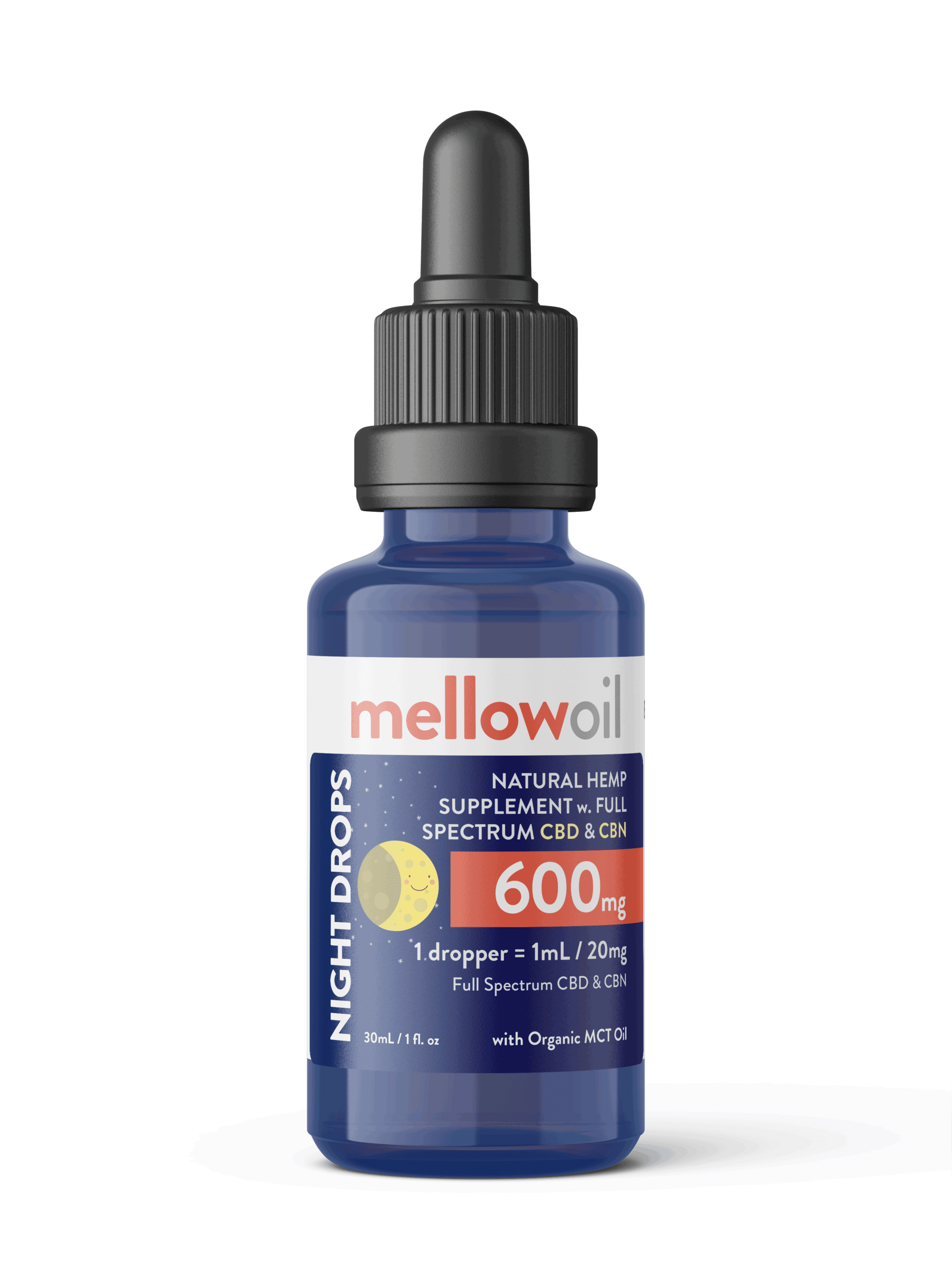
For those looking for a convenient and effective solution to improve sleep quality, BuyMellow’s Night Drops offer a strong combination of Broad Spectrum CBD and CBN. We formulated these drops because our customers told us they wanted something that worked without next-day grogginess. They’re designed to promote relaxation and deeper sleep, helping you wake up feeling refreshed. Get the synergistic benefits of CBD and CBN in an easy-to-use format.
Sleep challenges need multifaceted solutions grounded in science, regulation and personalized dosing. By understanding how CBD and CBN interact with your body, and choosing terpene-enhanced formulations, you can build a reliable, natural sleep routine. Check out CBN products that align with your needs, monitor your responses carefully and seek professional guidance when necessary. Visit us at www.buymellow.com to get top quality, all natural cannabinoid remedies for all your CBD needs.
Learn more: Read our complete guide on What Is CBN? Sleep Benefits & Effects.
The information in this article is for educational purposes only and is not intended as medical advice. Always consult with a healthcare professional before starting any new supplement, including CBD products.
Sources & Further Reading
Oils and Tinctures
Oils and Tinctures
Oils and Tinctures

CBD, CBN, or melatonin for sleep in Canada? Compare onset, duration, dependency risk, and daily suitability. Research-backed guide with dosage starting points.
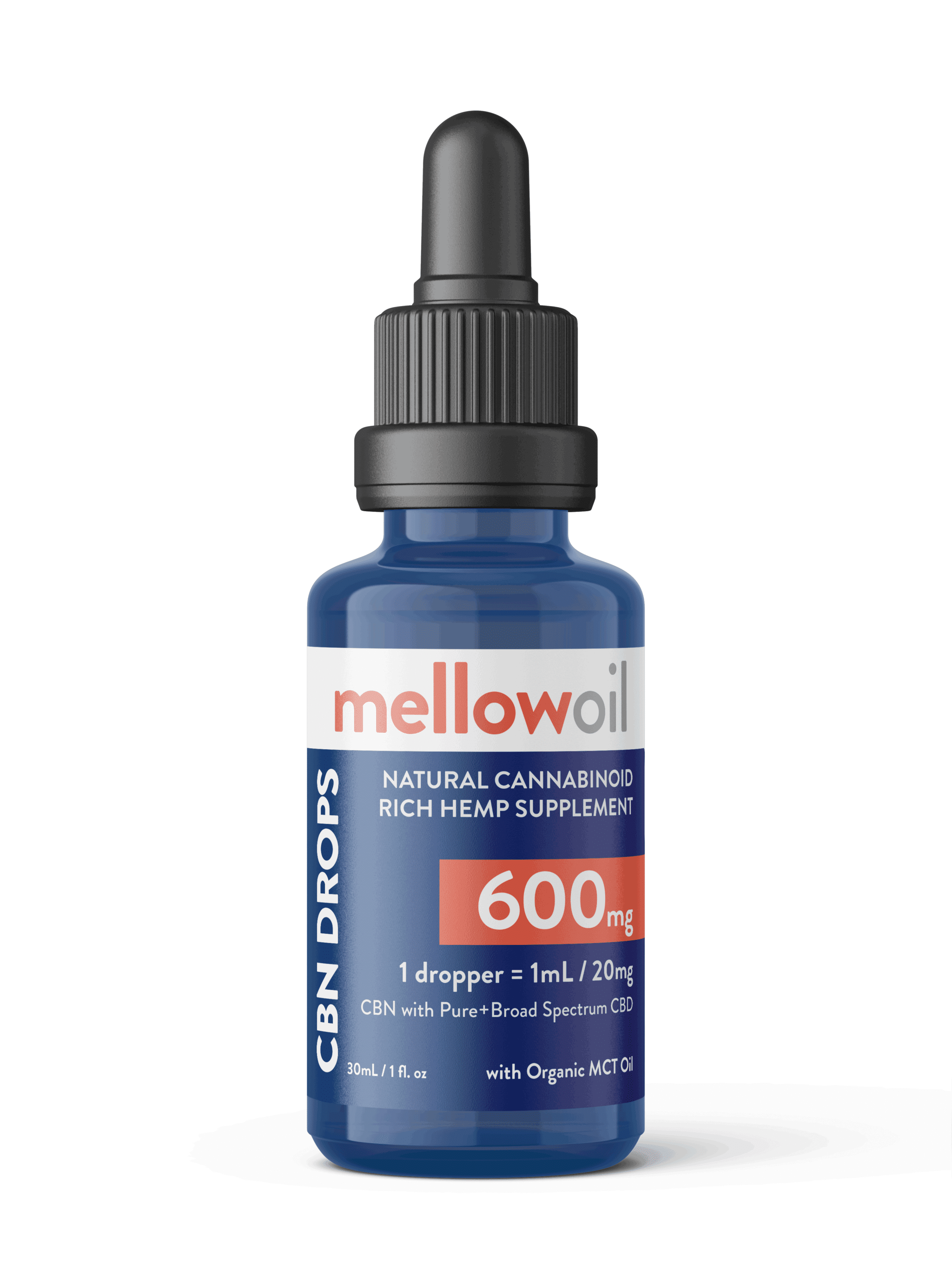
CBN isolate is a pure, THC-free cannabinoid extract gaining traction in Canada for sleep support. Learn what it is, how it differs from CBD, and what to look for when buying.

Find the cheapest CBD oil in Canada without sacrificing quality. 2026 price comparison, value tips, and lab-tested picks from 2 CAD.