
Oils and Tinctures
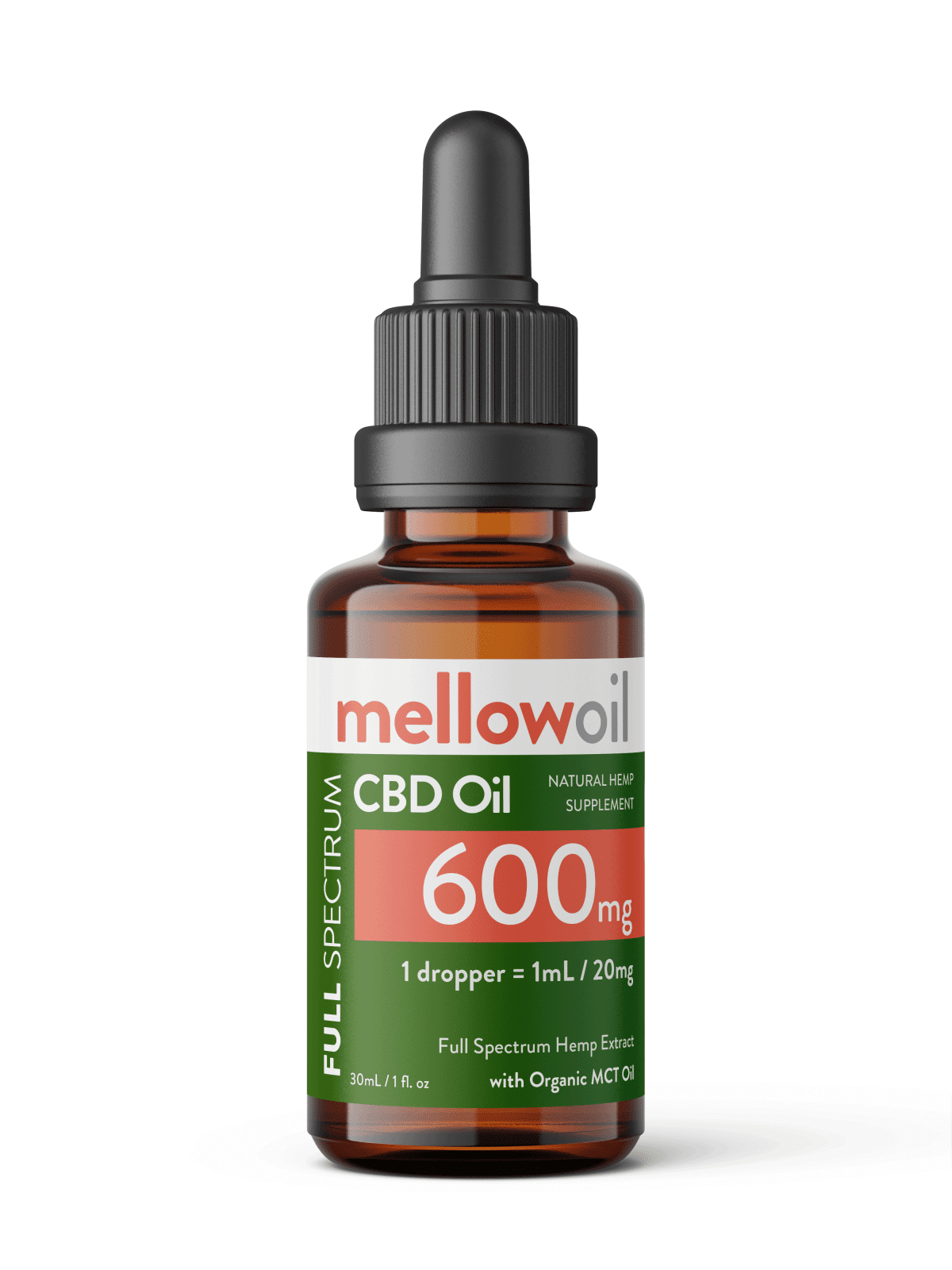
Mellow Oil Full Spectrum CBD Oil 30ml with 600mg Cannabidiol / 20mg CBD per mL
★★★★★123
$30.00 CAD
There's no universal CBD dose. Here's how to find the right amount for your body, your goals, and your product — with a simple starting framework any Canadian can follow.
The most common question we get: how much CBD should I take?
There's no single right answer — and anyone who gives you a specific number without knowing anything about you should raise a flag. CBD dosing depends on your body, what you're using it for, how you're taking it, and the specific product. What works for someone else may do nothing for you, or may be more than you need.
Want a personalized starting point right now? Use the free Mellow CBD Dosage Calculator → — enter your weight and goal, get a dose recommendation in 30 seconds.
That said, here's the full framework so you understand the reasoning.
The standard starting point is 10–25mg per dose, once or twice a day. This applies whether you're using a tincture, capsule, or isolate powder mixed into an oil or food.
Wait at least five to seven days at that dose before adjusting. CBD's effects accumulate — some people notice nothing in the first few days and meaningful benefit by the second week. Jumping doses before giving the current one time to work is the most common mistake.
If you notice no effect after a full week, increase by 5–10mg and repeat.
Body mass and metabolism. Larger body mass generally requires more CBD to reach the same effect. Metabolism varies more than weight as a factor, but it's a useful starting calibration.
Delivery method. How you take CBD affects how much your body actually absorbs and how quickly.
| Method | Onset | Duration | Notes |
|---|---|---|---|
| Sublingual tincture | 15–45 min | 4–6 hours | Highest absorption; hold 60 sec under tongue |
| Capsule / softgel | 45–90 min | 6–8 hours | Convenient; slower onset |
| Isolate in food/oil | 60–120 min | 6–8 hours | Absorption depends on fat content |
| Topical | 20–40 min | 4–6 hours | Local effect only |
Sublingual absorption is meaningfully higher than swallowing directly. If you're using a tincture but swallowing it immediately, you're absorbing a fraction of the labeled dose.
What you're using it for. Sleep support and acute discomfort tend to benefit from higher doses than general daily wellness. Starting with 25–35mg for sleep is common; 10–20mg for daily wellness is typical.
Full spectrum vs. isolate. Full spectrum CBD includes multiple cannabinoids working together — many people find it effective at lower doses than pure isolate. Isolate is predictable, zero-THC, and easy to measure precisely; it may require slightly higher amounts to achieve the same effect.
If your bottle says 600mg / 30mL, that's 20mg per mL. A standard dropper holds 1mL — one full dropper = 20mg.
If it says 1200mg / 30mL, that's 40mg per mL — one full dropper = 40mg.
Bottles that look identical can have very different concentrations. Always check the mg-per-mL math.
Quick calculation: mg per mL = total mg ÷ bottle volume in mL
General daily wellness: 10–20mg, once daily. Morning or evening — whichever you'll be consistent with.
Sleep support: 25–40mg, taken 30–60 minutes before bed. CBN isolate added to an evening tincture is a common approach — CBN is the cannabinoid most associated with sleep support and stacks naturally with CBD.
Physical recovery: 25–50mg, taken after activity. Full spectrum tinctures and topicals work well here — the topical addresses specific areas while the tincture works systemically.
Ongoing daily use: Most people settle into 20–40mg/day. Tolerance builds slowly with CBD, if at all — long-term users rarely find themselves needing to continually increase.
CBD isolate powder is the most precise format — you determine the exact concentration.
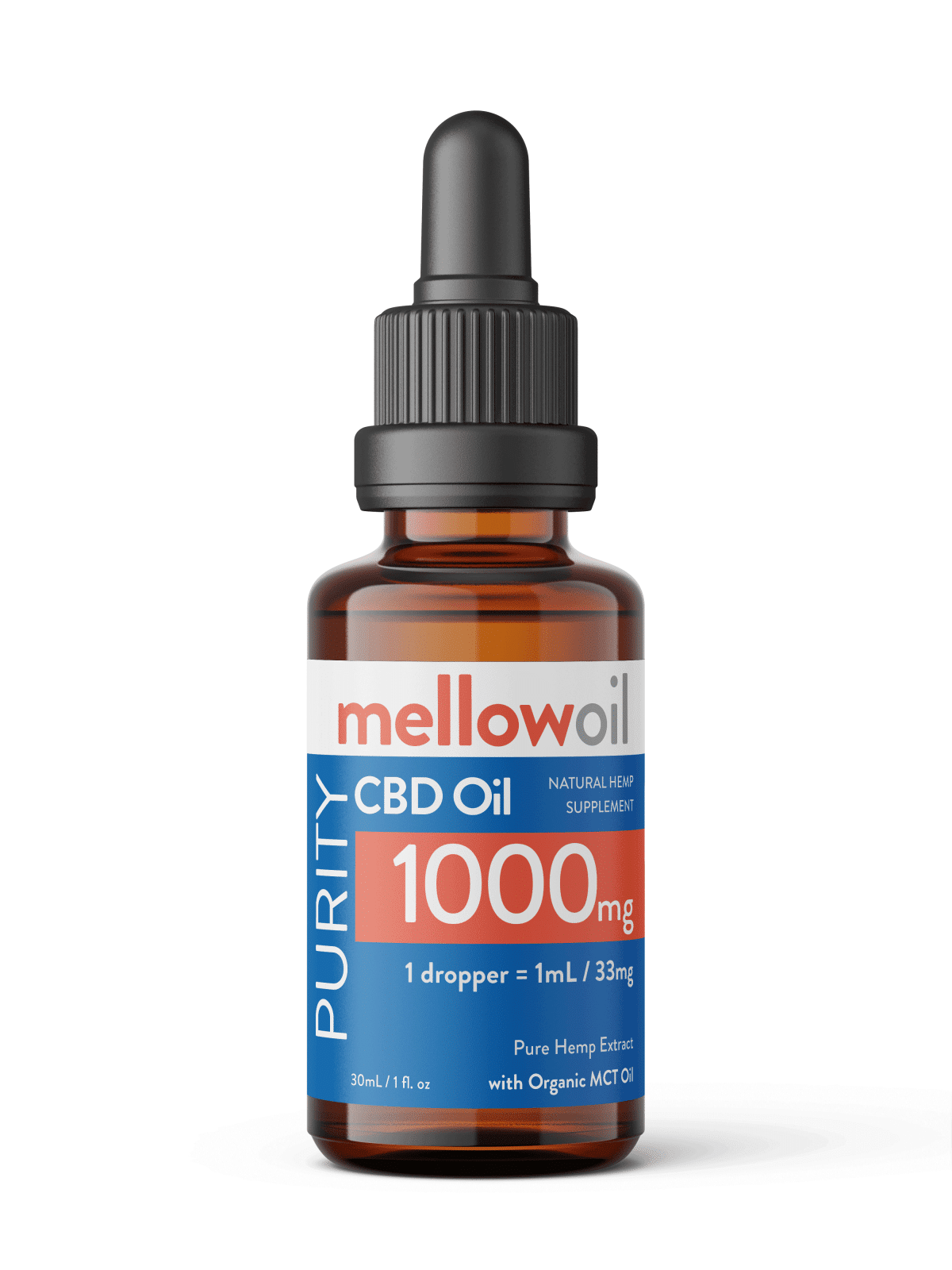
A common starting ratio: 1000mg isolate in 30mL MCT oil = 33mg/mL. One teaspoon (5mL) = ~167mg; a half-teaspoon = ~83mg. Adjust the isolate amount up or down to hit your target dose per serving.
Measuring isolate accurately requires a digital scale reading to at least 0.1g (100mg). Standard kitchen scales aren't precise enough for small quantities.
If you've tried a consistent dose for two weeks and noticed nothing:
Some people simply don't respond strongly to CBD. If it's not delivering value after a fair trial, that's a valid outcome.
Not sure where to start? Try the Mellow CBD Dosage Calculator — answer a few quick questions and get a personalized starting dose, format recommendation, and product match.
This guide is for general wellness purposes. For any medical condition, speak with a physician before adding CBD to your routine.
The information in this article is for educational purposes only and is not intended as medical advice. Always consult with a healthcare professional before starting any new supplement, including CBD products.
Sources & Further Reading
Oils and Tinctures
Oils and Tinctures

Oils and Tinctures
Weight-based CBD dosing chart for Canadians. Find your starting dose in mg based on body weight, use case, and product type — plus a free calculator to personalize it further.
CBD isn't a weight loss drug — but there's real science behind how it may support better sleep, lower stress, and a healthier metabolism. An honest look at the evidence.

CBD quiets a racing mind; CBN promotes physical drowsiness. Together, they offer a non-habit-forming natural sleep approach. Here's how they work, how to dose them, and what to look for in a product.