
Topicals
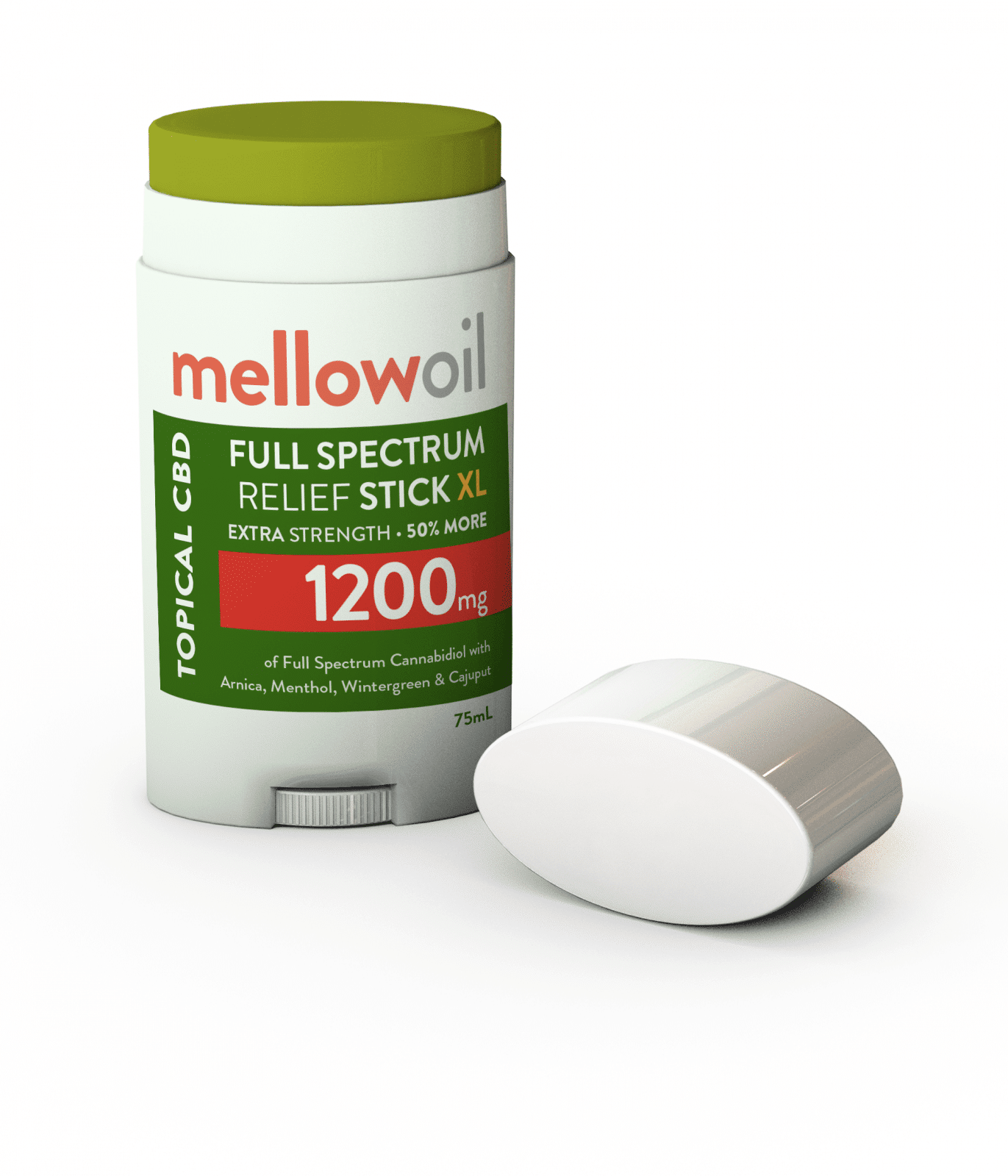
Mellow Oil Topical Full Spectrum EXTRA Strength XL (extra large) CBD Relief Stick 75mL with 1200mg CBD
★★★★★110
$80.00 CAD
Struggling with Myalgia and curious whether CBD can help? Fibromyalgia and myalgia affect millions of Canadian adults with chronic muscle pain, stiffness, and inflammation. Recent clinical data indica

Struggling with Myalgia and curious whether CBD can help? Fibromyalgia and myalgia affect millions of Canadian adults with chronic muscle pain, stiffness, and inflammation. Recent clinical data indicate that cannabidiol (CBD) can ease these symptoms through anti-inflammatory and neuromodulatory actions. This overview explains symptom profiles and diagnostic criteria, details how CBD interacts with the endocannabinoid system to reduce widespread pain, reviews the latest trial results on efficacy and safety, provides practical dosage recommendations, clarifies Health Canada regulations and quality standards, explores integration with conventional treatments, and answers common patient questions. By blending scientific insights with real-world advice and offering trusted CBD products from buyellow.com, readers will find actionable strategies to manage fibromyalgia and myalgia effectively.
TL;DR: CBD can meaningfully reduce chronic muscle pain from fibromyalgia and myalgia by working with the endocannabinoid system to cut inflammation and calm overactive pain signals. Start at 5–10 mg twice daily, titrate slowly, and consider pairing a full-spectrum oil with a topical cream for both systemic and localized relief.
Fibromyalgia is a chronic disorder characterized by widespread musculoskeletal pain, tenderness, fatigue, and cognitive disturbances, while myalgia specifically refers to localized muscle pain and stiffness caused by injury, overuse, or inflammation. Understanding these conditions’ core features and diagnostic process lays the foundation for exploring CBD’s role in pain management and its connection to the endocannabinoid system.
Fibromyalgia manifests as:
Myalgia symptoms include:
These pain patterns overlap and affect quality of life, guiding healthcare providers toward targeted interventions.
Diagnosis combines clinical evaluation, patient history, and exclusion of other conditions. Practitioners follow criteria such as:
Establishing a clear diagnosis supports personalized treatment plans that may include CBD alongside standard therapies.
Fibromyalgia pain arises from central sensitization, where the nervous system amplifies pain signals in the absence of tissue damage, while myalgia results from muscle strain, microtears, metabolic byproducts like lactic acid, and localized inflammatory mediators. Neurochemical imbalances in serotonin, norepinephrine, and substance P make chronic pain worse, which is why anti-inflammatory and neuromodulatory approaches like CBD are worth trying. Understanding these mechanisms explains why targeting both central and peripheral pathways can improve outcomes.

The endocannabinoid system (ECS) regulates pain perception, inflammation, and neuromodulation via endogenous ligands (anandamide, 2-AG) and receptors (CB1, CB2) located in the brain, spinal cord, and immune cells. CBD interacts with ECS receptors and enzyme pathways to:
Optimizing ECS function sets the stage for understanding how CBD formulations support chronic pain management.
Cannabidiol reduces chronic pain through multiple mechanisms that target both inflammatory mediators and neural pathways, providing relief for fibromyalgia’s widespread discomfort and myalgia’s localized muscle aches. Examining its interaction with the ECS, product variants, and specific anti-inflammatory actions clarifies why CBD is gaining traction among chronic pain patients.
CBD modulates the ECS by binding indirectly to CB1 and CB2 receptors, inhibiting FAAH (fatty acid amide hydrolase) to increase anandamide levels, and engaging TRPV1 channels to regulate nociception. Through these pathways, CBD:
These interactions translate into both immediate and sustained relief from chronic pain symptoms.
Full-spectrum CBD contains a range of cannabinoids, terpenes, and trace THC, producing an “entourage effect” that improves therapeutic outcomes, whereas CBD isolate is pure cannabidiol without other plant compounds. Key distinctions include:
| Product Type | Composition | Therapeutic Impact | Usage Considerations |
| Full-Spectrum CBD | CBD + terpenes + minor cannabinoids + ≤0.3% THC | Synergistic pain relief, stronger anti-inflammatory action | Suitable for broad systemic use, may trigger drug tests |
| CBD Isolate | ≥99% pure CBD | Targeted cannabidiol effects, minimal risk of THC exposure | Precise dosing, ideal for THC-free preferences |
Choosing between these formats depends on desired symptom targets, legal considerations, and tolerance for trace cannabinoids.
CBD inhibits COX-2 and NF-κB pathways to lower pro-inflammatory mediators and interacts with TRPV1 receptors in muscle tissue to decrease stiffness and spasms. Its antioxidant properties further reduce oxidative stress in muscle fibers, resulting in:
These anti-inflammatory and antispasmodic actions directly address both myalgia and fibromyalgia symptoms. Sound familiar?
Yes. CBD supports restful sleep and eases anxiety by boosting GABAergic tone and modulating serotonin (5-HT1A) receptors. Better sleep quality reduces pain sensitivity and daytime fatigue, while anxiolytic effects help break the cycle of stress-induced pain amplification. Improving both emotional well-being and sleep patterns complements CBD’s analgesic benefits for comprehensive symptom management.
The 2025 clinical field offers solid evidence that CBD can meaningfully reduce fibromyalgia and myalgia pain, improve quality of life, and serve as an alternative to conventional analgesics. Summaries of key trials, efficacy statistics, and safety profiles show CBD’s potential as a cornerstone in chronic pain treatment.
Recent randomized, double-blind studies report that CBD administration led to a 45–60% reduction in self-reported pain scores, improved sleep efficiency, and decreased fatigue compared to placebo. Neuroimaging data revealed lower activation in pain-processing regions, confirming CBD’s neuromodulatory impact. These findings establish a clear link between regular CBD use and fibromyalgia symptom improvement.
A 2020 review suggests that cannabis can have a positive effect on fibromyalgia, and a 2019 study showed that more people who took Bediol, a drug that contains both CBD and THC, reported a decrease in pain scores compared with those who took a placebo.
This source supports the article’s claims about the effectiveness of CBD for fibromyalgia pain relief, as well as the safety and side effects of CBD use.
For anecdotal evidence and community discussions on the positive effects of cannabinoids for fibromyalgia, consider exploring threads on Reddit such as r/Fibromyalgia or r/ChronicPain. Users often share personal experiences and insights into how CBD and related compounds have helped manage their symptoms. For example, a search within these subreddits might reveal discussions like: “Has anyone found relief from fibromyalgia pain using CBD oil?” or “My experience with CBD for chronic muscle pain.”
In trials involving exercise-induced myalgia, topical CBD creams achieved a 30% reduction in muscle soreness within two hours, and oral CBD oils reduced delayed-onset muscle soreness by an average of 40% over seven days. These efficacy rates underscore CBD’s versatility in both systemic and localized muscle pain management.
CBD has an excellent safety profile with minimal adverse events. Reported side effects include:
No serious hepatic or cardiovascular issues were noted at therapeutic dosages up to 1500 mg/day. Careful titration and monitoring ensure safe integration into treatment plans.
Emerging evidence indicates that over 70% of chronic pain patients using CBD reduced or stopped opioid intake, citing comparable pain relief with fewer side effects. While CBD doesn’t directly bind opioid receptors, its anti-inflammatory and neuromodulatory actions address pain pathways that opioids target, making it a viable adjunct or alternative for many patients.

Determining an effective CBD dosage involves individualized titration based on symptom severity, product type, and patient response. This section provides step-by-step guidance for establishing an optimal regimen and selecting appropriate formulations.
Start with a low dose of 5–10 mg of CBD twice daily, observe symptom changes over 5–7 days, and gradually increase by 5 mg increments until achieving adequate pain control. Key titration steps:
Regular follow-up ensures safe and effective dosing.
Research suggests that an effective dosage range for fibromyalgia symptoms is between 20–50 mg per day. It’s recommended to start with a low dose and gradually increase it while monitoring the effects.
This source provides specific dosage recommendations for CBD use in managing fibromyalgia symptoms, which is directly relevant to the article’s dosage guide.
Discussions on Reddit, particularly in communities like r/CBD or r/ChronicPain, often feature users sharing their personal experiences with CBD dosages for various conditions, including fibromyalgia and myalgia. For instance, you might find threads titled “What’s your go-to CBD dosage for severe muscle pain?” or “Starting CBD for fibro – what dose worked for you?” These conversations can offer valuable insights into effective starting points and titration strategies.
Choosing a format depends on symptom targets:
Each format offers unique pharmacokinetics and patient convenience. How do you choose? It comes down to whether you need systemic or localized relief — and sometimes both.
Apply a pea-sized amount of CBD cream directly to sore muscles, gently massaging until absorbed. Repeat every 4–6 hours as needed. Topical application delivers cannabidiol to peripheral nociceptors and inflamed tissues, reducing swelling and stiffness without systemic side effects. In our experience, warming the area with a hot pack before applying tends to improve absorption.
Full-spectrum products often need 10–20% lower doses than isolate due to the entourage effect. For example, if starting at 20 mg/day with isolate, switch to 15 mg/day when using full-spectrum CBD. Adjust based on individual response and tolerance to trace cannabinoids.
When selecting CBD, verify:
These criteria reduce risk and support predictable outcomes.
Reputable online retailers like buyellow.com offer licensed full-spectrum oils, topical creams, and capsules with transparent COAs, third-party lab testing, and clear dosage guides. Their curated selection ensures consistent quality, safe sourcing, and convenient nationwide delivery, meeting both Health Canada requirements and patient needs.
Combining CBD with standard therapies such as prescription medications, physical therapy, and cognitive behavioral techniques can improve overall symptom management while reducing reliance on opioids and other pharmaceuticals.
Yes, but patients should consult healthcare providers due to potential drug interactions mediated by the cytochrome P450 enzyme system. CBD may alter the metabolism of medications like antidepressants, antiepileptics, and certain painkillers. Monitoring and dose adjustments ensure safe co-administration.
Many adults with fibromyalgia report substituting CBD for opioids, noting reduced pain intensity, better sleep, and fewer gastrointestinal side effects. These real-world testimonials underscore CBD’s role in harm reduction and improved quality of life for chronic pain sufferers.
Maintain a symptom diary tracking pain levels, sleep quality, mood, and any side effects. Schedule periodic check-ins with medical professionals to review progress and adjust dosage. This structured approach ensures both efficacy and safety during long-term CBD use.
This section provides clear, concise answers to patients’ most frequent concerns, helping them make informed decisions about cannabidiol therapy.
Clinical data indicate that CBD eases fibromyalgia pain by modulating endocannabinoid signaling, reducing inflammatory mediators, and dampening central sensitization, leading to significant decreases in pain scores and improved daily function.
Minor side effects include dry mouth, drowsiness, and appetite changes. Rarely, high doses may cause gastrointestinal discomfort or interact with liver-metabolized drugs, so gradual titration and professional monitoring are advised.
CBD boosts endocannabinoid tone by inhibiting FAAH, increasing anandamide levels, desensitizing TRPV1 pain receptors, and regulating CB2-mediated immune responses, which together curb inflammation and neural hyperexcitability.
Begin with 5–10 mg of CBD twice daily, assess symptom relief after one week, then increase by 5 mg increments until achieving consistent pain reduction, often in the 25–50 mg/day range for many adults.
While individual results vary, over 70% of chronic pain patients report reducing or stopping opioid use after adding CBD, using its anti-inflammatory and neuromodulatory effects to achieve comparable pain control with fewer side effects.
Fibromyalgia and myalgia present complex pain challenges, yet emerging 2025 research underscores CBD’s potential to address both central and peripheral mechanisms of discomfort. By following evidence-based dosage guidelines, choosing Health Canada-compliant products, and integrating CBD with established therapies, Canadian adults can improve symptom management and reduce reliance on traditional analgesics. From what we’ve seen, those who pair systemic oils for widespread pain with topicals for localized muscle relief tend to get the most out of their routine. Reliable retailers like buyellow.com offer transparent lab testing and tailored formulations to support individualized treatment journeys. Continued monitoring, professional collaboration, and patient feedback will refine CBD protocols and help those living with chronic pain reclaim comfort and function.
CBD may offer several benefits for individuals with fibromyalgia and myalgia, including reduced pain and inflammation, improved sleep quality, and decreased anxiety. By working with the endocannabinoid system, CBD can help modulate pain perception and inflammatory responses, potentially leading to a better quality of life. Many users report significant relief from chronic pain symptoms, making CBD a promising alternative or complement to traditional pain management strategies.
The onset of CBD’s effects can vary based on the method of consumption. Sublingual oils may provide relief within 15 to 30 minutes, while edibles or capsules might take 1 to 2 hours to take effect. Topical applications can also offer localized relief within a similar timeframe. It’s essential to consider individual factors such as metabolism and the severity of symptoms when determining how quickly you might experience pain relief from CBD.
In Canada, CBD is regulated under the Cannabis Act, which means it can be legally purchased and used as long as it meets Health Canada’s guidelines. Consumers should ensure that products are sourced from licensed producers and come with proper labeling and testing certifications. While CBD is available without a prescription, consulting healthcare professionals for guidance on safe usage and compliance with local regulations is advisable.
Yes, CBD can interact with certain medications, particularly those metabolized by the liver‘s cytochrome P450 enzyme system. This may alter the effectiveness of drugs such as antidepressants, blood thinners, and some pain medications. You’ll want to consult with your healthcare provider before starting CBD if you’re on other medications to avoid potential interactions and ensure safe use.
The duration of CBD use for chronic pain management can vary based on individual needs and responses. Many users find that consistent use over several weeks is necessary to assess its full benefits. Regular follow-ups with healthcare providers can help determine the effectiveness and make necessary adjustments. It’s essential to monitor symptoms and side effects during this period to ensure optimal results and safety.
To maintain the effectiveness of CBD products, store them in a cool, dark place away from direct sunlight and heat. Keeping CBD oils and edibles in their original packaging helps protect them from light and air exposure, which can degrade their quality. Additionally, ensuring that products are tightly sealed can prevent contamination and preserve potency over time.
Currently, there’s limited research on the safety of CBD use during pregnancy or breastfeeding. Health Canada advises caution, as cannabinoids can cross the placenta and may affect fetal development. Pregnant or breastfeeding individuals should consult with their healthcare provider before using CBD to weigh potential risks and benefits and to find safer alternatives for managing pain or discomfort.
The information in this article is for educational purposes only and is not intended as medical advice. Always consult with a healthcare professional before starting any new supplement, including CBD products.
Sources & Further Reading
Topicals
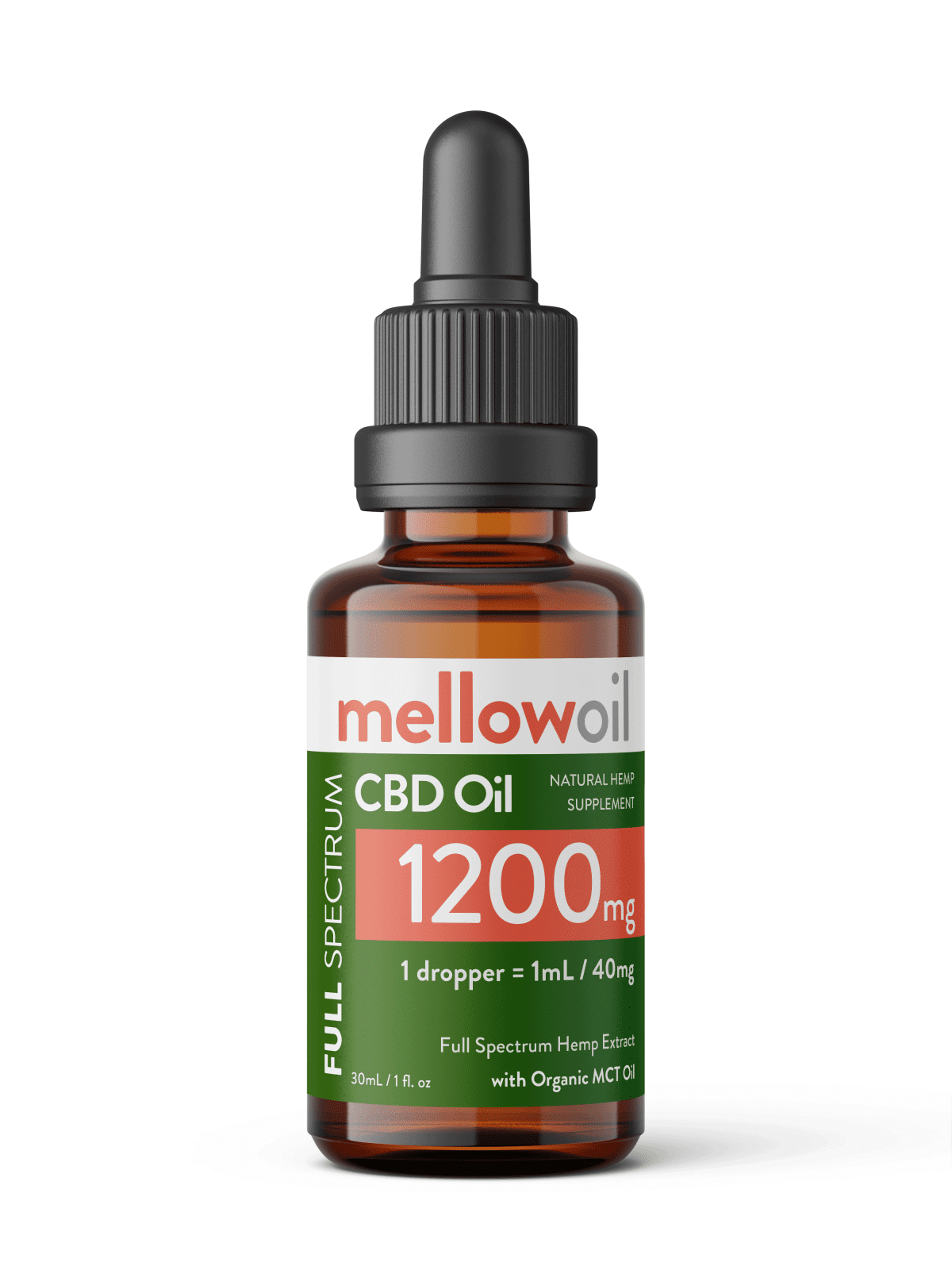
Oils and Tinctures
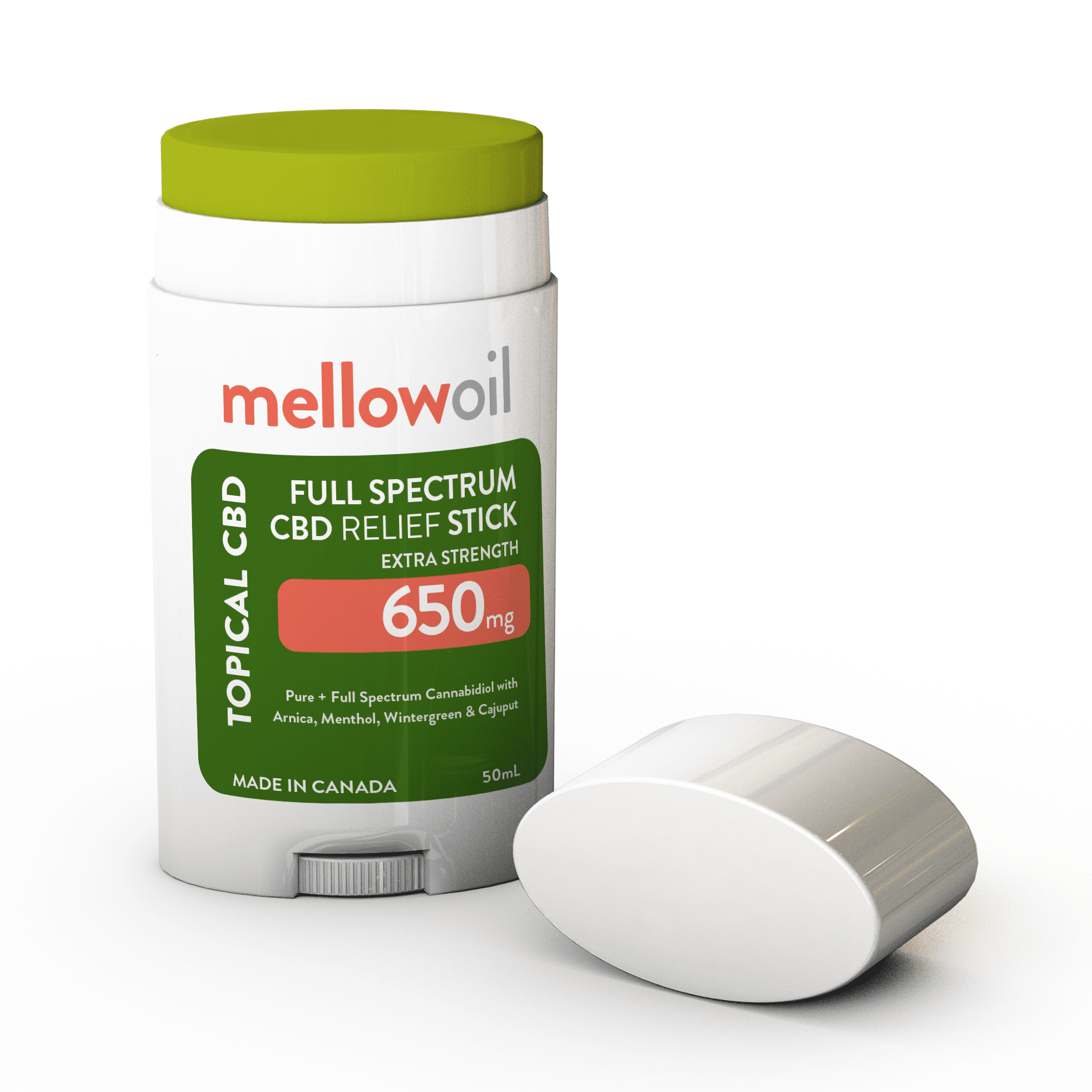
Topicals

CBD, CBN, or melatonin for sleep in Canada? Compare onset, duration, dependency risk, and daily suitability. Research-backed guide with dosage starting points.
CBN isolate is a pure, THC-free cannabinoid extract gaining traction in Canada for sleep support. Learn what it is, how it differs from CBD, and what to look for when buying.

Find the cheapest CBD oil in Canada without sacrificing quality. 2026 price comparison, value tips, and lab-tested picks from 2 CAD.