
Topicals
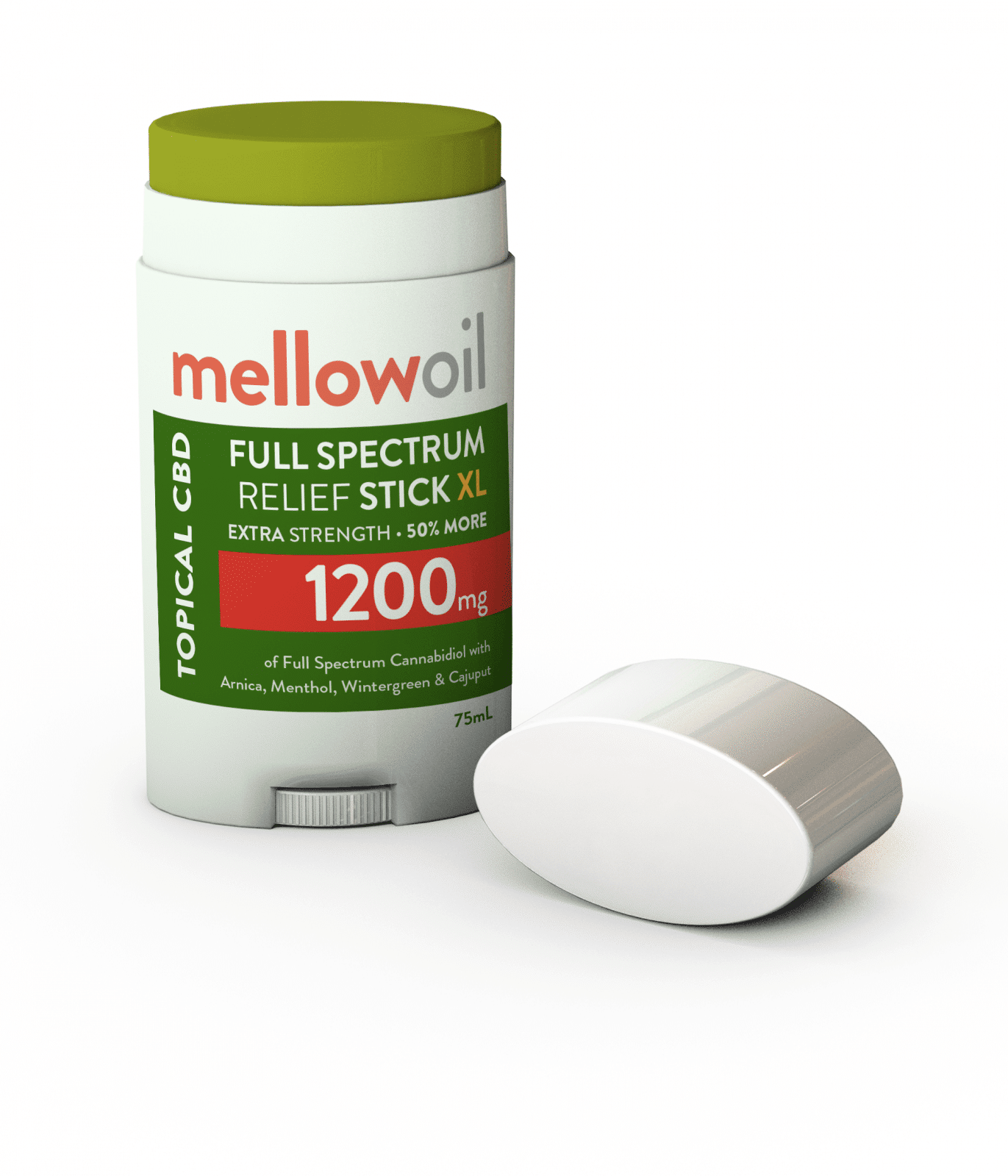
Mellow Oil Topical Full Spectrum EXTRA Strength XL (extra large) CBD Relief Stick 75mL with 1200mg CBD
★★★★★110
$80.00 CAD
Explore the benefits of CBD for muscle recovery in athletes, featuring user testimonials and expert advice on post-workout healing with CBD.

While CBD is widely known for its potential in alleviating anxiety and promoting relaxation, it also offers a range of lesser-known benefits for athletes and fitness enthusiasts. In this deep dive, we will explore some of the lesser-known CBD benefits for muscle recovery and how it can help enhance your post-workout routine. We will also reference reputable sources for further information, ensuring you have the knowledge to make informed decisions about incorporating CBD into your recovery routine.
With a wide range of CBD products available at buymellow.com, you can easily find the perfect product to incorporate into your muscle recovery routine. Whether you prefer topicals, oils, or edibles, there’s a CBD product to suit your needs and help you make the most of your workouts.
One of the most significant ways CBD may contribute to muscle recovery is through its anti-inflammatory properties. Inflammation is a natural response to muscle damage, but excessive inflammation can slow down recovery and cause discomfort. According to a study published in the Journal of Experimental Medicine, CBD has been shown to reduce inflammation and pain in animal models. This suggests that CBD may help reduce inflammation in humans as well, potentially speeding up muscle recovery and reducing post-workout soreness.
Intense exercise can sometimes lead to muscle spasms and tension, which can be uncomfortable and hinder recovery. Research from the European Journal of Pain indicates that CBD may help alleviate muscle spasms by interacting with the body’s endocannabinoid system. By reducing muscle spasms and tension, CBD may promote a more effective recovery process.
While CBD is widely recognized for its anxiety-relieving and relaxation properties, it also offers a spectrum of lesser-known benefits that are particularly advantageous for athletes and fitness enthusiasts.
Delving into the world of CBD reveals its significant potential in muscle recovery and enhancement of post-workout routines.
This exploration will not only highlight these benefits but also provide guidance on incorporating CBD effectively into your recovery regimen, with references to reputable sources for further information.
CBD’s role in muscle recovery stems from its potent anti-inflammatory properties, which can be important in alleviating soreness and expediting recovery post-exercise.
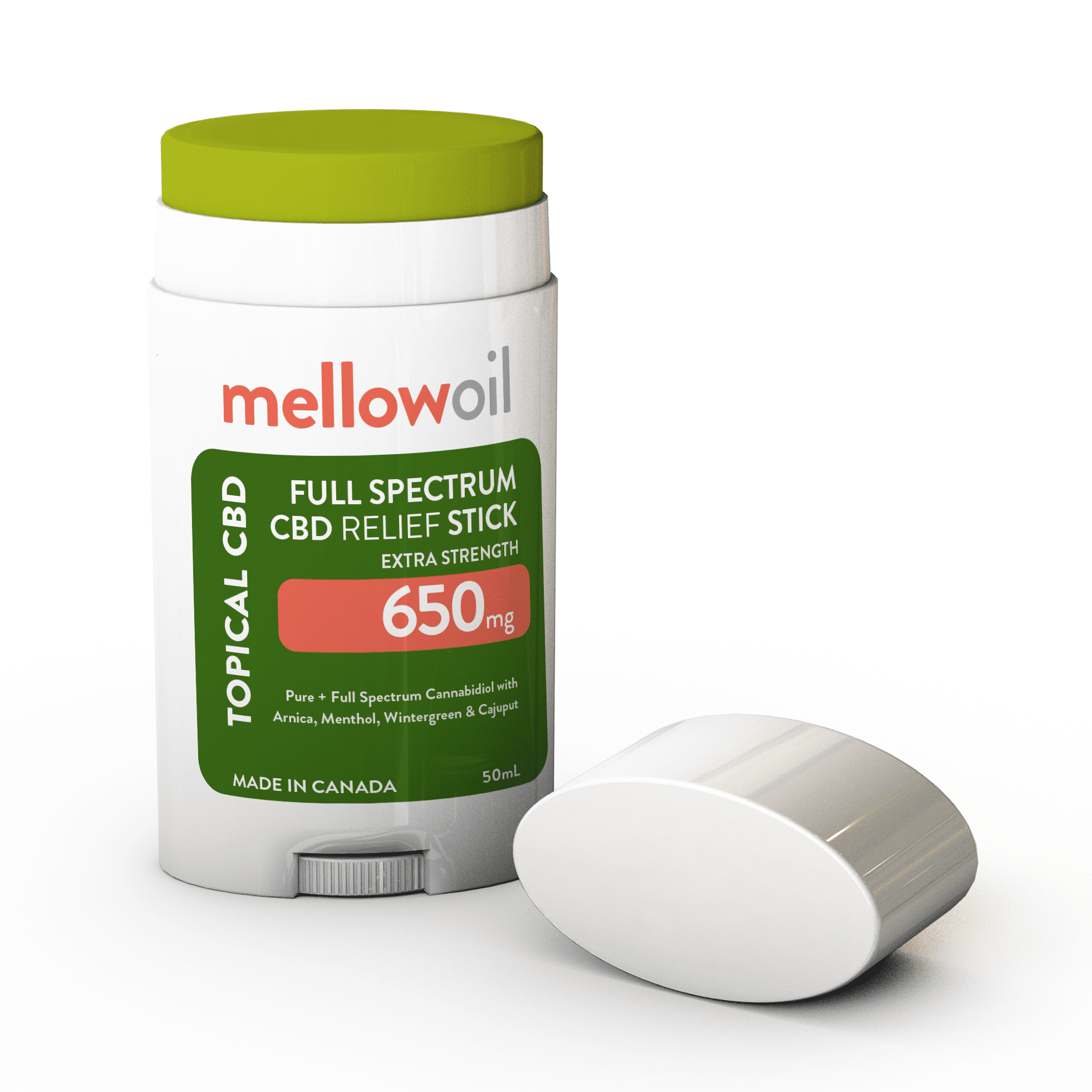
Products like Mellow Oil Topical CBD Relief Gel Cream and Mellow Oil Topical Full Spectrum CBG/CBD 1:1 Cannabinoid Relief Stick are tailored for athletes, targeting inflammation and thus aiding in quicker muscle repair.
This property is vital for athletes looking to enhance recovery times and improve performance.
Muscle tension and spasms are common post-workout issues, and CBD’s efficacy in relieving these symptoms can be a big deal.
Utilizing a product such as Love Mellow Simplicity Massage Oil, infused with CBD, can offer direct relief to strained muscles, promoting faster recovery and preventing potential injuries.
As mentioned in our previous article about CBD for better sleep, quality sleep is key for muscle recovery. During sleep, the body repairs damaged muscle fibers and promotes muscle growth. CBD has been shown to improve sleep quality in some individuals, potentially enhancing the recovery process. By supporting better sleep, CBD may indirectly contribute to more efficient muscle recovery.
Antioxidants play a key role in muscle recovery by neutralizing free radicals produced during exercise. These free radicals can cause cellular damage and inflammation, leading to delayed recovery and increased soreness. A study published in the Free Radical Biology and Medicine journal found that CBD exhibits antioxidant properties. These are believed to help protect against oxidative stress and promote muscle recovery.
Although research on CBD’s role in muscle recovery is still in its early stages, existing studies suggest that its anti-inflammatory, antispasmodic, sleep-enhancing, and antioxidant properties may provide valuable benefits. As always, consult with a healthcare professional before incorporating CBD into your recovery routine, and be sure to source high-quality CBD products from reputable suppliers. For more information on CBD and its potential benefits, visit Project CBD or the Society of Cannabis Clinicians.
Ethan’s Antioxidant Advantage
Ethan, a bodybuilder from Toronto, integrated CBD into his diet through Mellow Oil Purity CBD Oil to combat oxidative stress from intense workouts. He observed enhanced overall recovery, less inflammation, and increased muscle endurance. Ethan values the antioxidant properties of CBD, attributing his improved muscle recovery and reduced soreness to the consistent use of the oil. He recommends CBD to fellow athletes looking to optimize their recovery and maintain peak performance.
Proper blood circulation is essential for muscle recovery, as it helps deliver vital nutrients and oxygen to damaged muscle tissue. According to a study published in the Journal of Psychopharmacology, CBD has been shown to cause vasorelaxation, or the relaxation of blood vessels. This may help improve blood flow. By enhancing circulation, CBD could potentially support the recovery process and reduce muscle soreness.
A strong immune system is key for optimal muscle recovery. It helps the body repair damaged tissues and ward off infection. Some research, such as a review published in the Journal of Neuroimmune Pharmacology, suggests that CBD may possess immunomodulatory properties, which can help regulate and support the immune system. By potentially bolstering the immune system, CBD may contribute to a more efficient recovery process.
Stress can negatively impact muscle recovery. This is due to the release of cortisol, a hormone that can cause muscle breakdown and hinder the healing process. As noted in our article about CBD for stress management, CBD helps reduce stress and anxiety in some individuals. By potentially lowering stress levels, CBD may help create a more conducive environment for muscle recovery and growth.
Adequate nutrition is essential for muscle recovery. As the body requires a sufficient intake of proteins, carbohydrates, and healthy fats to rebuild muscle tissue. A study published in the Journal of Clinical Pharmacology and Therapeutics, suggests that CBD may help regulate appetite. This is achieved by interacting with the endocannabinoid system. By possibly encouraging a balanced appetite, CBD may indirectly support the muscle recovery process through proper nutrition.
More research is needed to fully understand CBD’s potential benefits for muscle recovery. However, the available evidence suggests that it may provide a range of advantages through its various properties. Always consult with a healthcare professional before incorporating CBD into your muscle recovery routine. Most importantly, make sure to obtain high-quality CBD products from trusted sources. For more on CBD and its potential applications, review The Society of Cannabis Clinicians or the Project CBD website.
The information in this article is for educational purposes only and is not intended as medical advice. Always consult with a healthcare professional before starting any new supplement, including CBD products.
Sources & Further Reading
Topicals
Topicals

Topicals
CBD, CBN, or melatonin for sleep in Canada? Compare onset, duration, dependency risk, and daily suitability. Research-backed guide with dosage starting points.
CBN isolate is a pure, THC-free cannabinoid extract gaining traction in Canada for sleep support. Learn what it is, how it differs from CBD, and what to look for when buying.

Find the cheapest CBD oil in Canada without sacrificing quality. 2026 price comparison, value tips, and lab-tested picks from 2 CAD.