
Oils and Tinctures
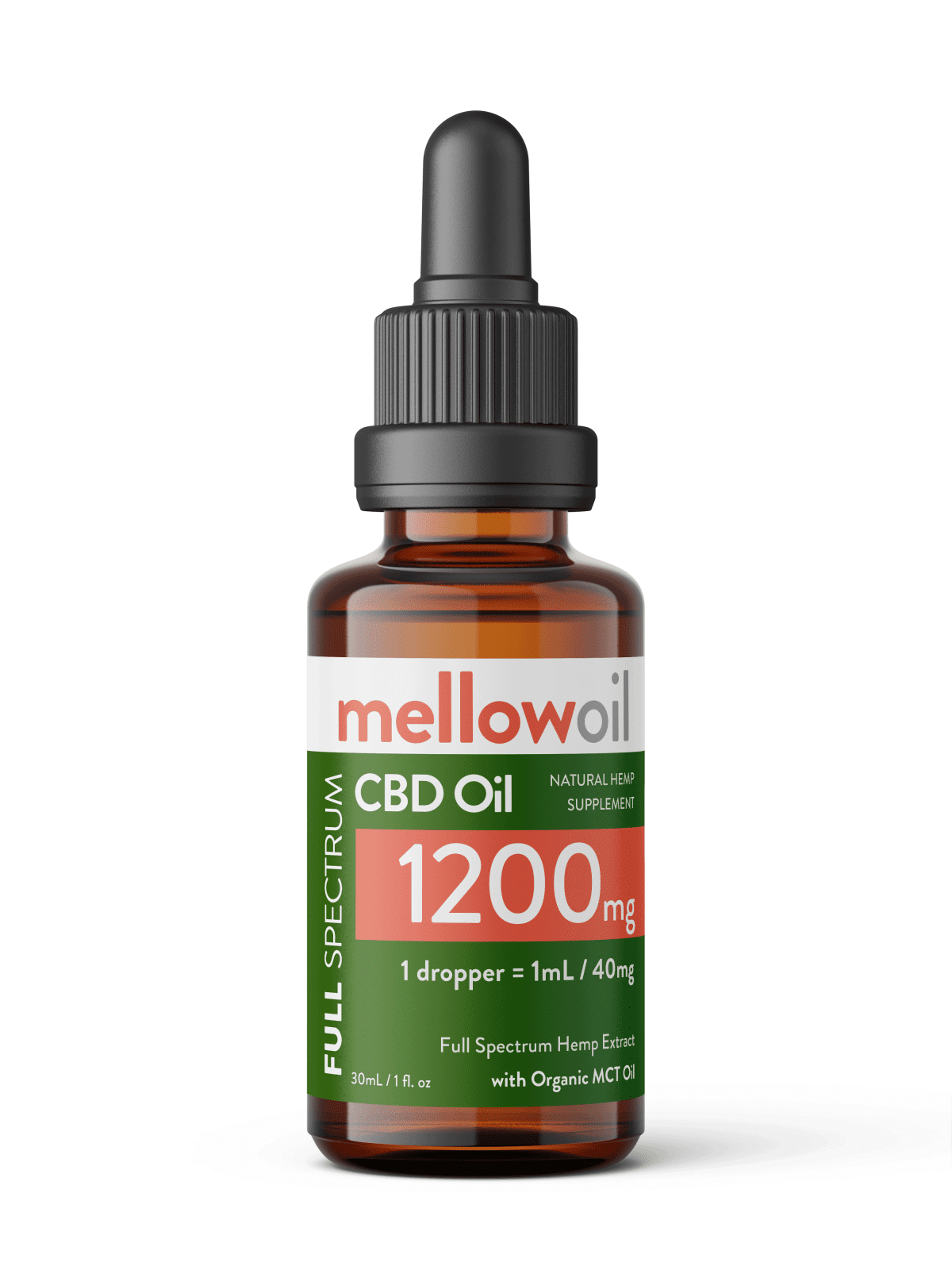
Mellow Oil Full Spectrum CBD Oil 30ml with 1200mg Cannabidiol / 40mg CBD per mL
★★★★★★81
$52.00 CAD
CBD Overdose? Can you take too much CBD? Don't worry, you likely haven't. Starting CBD oils is around 5-20mg per day, increase slowly
They say there’s no such thing as too much of a good thing; in reality, of course, there is. When it comes to CBD oil, more is not always best, for a few different reasons.
Depending on who you ask, your CBD’s strength, or what company you got your CBD oil from, the dosing instructions for your CBD will vary. But how much is too much? What happens when you take too much CBD oil?
Well, fortunately the answer is, not a whole lot in most cases.
CBD is one of the many cannabinoids and different compounds that makes up the hemp plant. It is the main component of CBD oil and has vast medical implications, both physically and mentally, for the human body.
Cannabinoids like CBD attach to receptors in the Endocannabinoid System. Through research, scientists have discovered that they hold anti-inflammatory, anti-oxidant, and anti-bacterial properties.
Naturally, as more people started taking CBD, the question keeps popping up – can you take too much? According to a 2011 study, they put toxic levels of CBD at around 20,000mg. To put this in perspective, you would have to consume 20 bottles of 1000mg CBD oil to hit that target. Not exactly something likely to happen.
For the average person wondering if they’ve overdone it – don’t worry, you likely haven’t. The starting dose for many CBD oils is around 5-20mg per day, with instructions to increase as necessary. There are reports of people safely consuming 1500mg per day; substantially more than most people would think of using.
There are some things you might want to be aware of if you’re thinking about taking a mega-dose of your CBD. For the vast majority, they are minor.
Just like any medication or other supplement you take, CBD does come with some side effects. Most people will never experience anything more than an upset tummy or a mild headache; these tend to resolve once your body gets used to it.
For others, the side effects can be a little more concerning.
When you take too much CBD, your risk of experiencing any negative side effects goes up. Here’s a list of some of the side effects of CBD:
It’s always recommended to go slow when increasing your dose to lower the chance of any side effects. When you take a whole bunch of CBD all at the same time, these side effects will increase in severity.
Yes, it’s true. CBD works on a bell-curve effect. Take too little, and you’re not going to see results from it. Take too much, and it’s the same thing.
Because CBD takes some time to build up in your system before noticing anything happening, some beginners like to jump the gun and take way more than they need. In doing this, you may actually be going backward. It’s all about finding the right dose that works for you.
When you take in too much CBD oil, it isn’t just the CBD that’s entering your system. Other cannabinoids, terpenes, and the carrier oil used for the tincture are going in as well.
Take MCT oil, for example, one of the most popular carrier oils for CBD. If you take too much, you’re almost guaranteed to cause yourself some pretty gnarly stomach issues for a while.
One of the big things to watch out for is increased drowsiness. Many CBD users report feeling more tired even with just normal doses; taking more than usual is going to amplify this and put you more at risk in situations such as driving or operating heavy machinery.
Taking more CBD than needed is a huge waste of money and product, even with the prices coming down over the past year.
Studies and user reviews put the average CBD amount needed for relief from all sorts of issues between 30-75mg a day. Of course, this isn’t one size fits all; your experience and proper dose will vary widely from the next person.
To date, there have been zero recorded cases of anyone, globally, overdosing on CBD oil. For obvious reasons, the amount necessary to cause a CBD overdose has yet to be put to the test in a laboratory setting, though they have reached that with monkeys.
All of the research points to CBD being a very low-risk compound that is considered very safe to take at all ages. Keeping in mind that the upper limits estimate you would need to achieve an overdose with CBD, 20,000mg; this is highly unlikely to ever occur in a normal setting with proper use.
Dosage with CBD oil is highly subjective and is based on personal health concerns, body weight, and other factors.
It’s recommended to take a low and slow approach when starting with CBD and gradually increase over time. What works for one person may not be the best option for the next, and to figure out your optimal dose, some tinkering may be required.
The dosage may also change with different conditions as well. Someone using CBD for minor inflammation may not need as much as someone using it to treat their chronic back pain.
Don’t be afraid to experiment with it and play around with different doses. Keeping a journal on your CBD usage and monitoring its effects on your body can be extremely helpful in the process.
We recommend starting out with 5-10mg of CBD twice a day, and working up from there.
CBD is a non-psychoactive compound and won’t get you high, unlike THC. THC is the cannabinoid in marijuana responsible for the mind-altering effects you get when ingesting it and is found in minimal quantities in the hemp plant.
While it’s slightly different here in Canada than other areas of the world due to the legalization of marijuana, the vast majority of other countries where CBD is legal have legal limits of THC in place for CBD oil, 0.3%. Companies here stick to this level, and it is nowhere near the amount needed to produce a high.
That being said, if you do decide to down a few bottles, you’ll be increasing the amount of THC you’re taking in; this might be enough to produce a small buzz.
No, you can’t become addicted to CBD, even if you take a lot of it or use it for a long time. Being a non-psychoactive compound, there are no risks involved in addiction.
Many studies have been done on the topic, and CBD has been deemed one of the few substances not to carry any major side effects or addiction risks.
In fact, new research into this area shows that CBD has the potential to aid in addiction disorders, which could, in the future, lead to new avenues of rehabilitation methods and procedures.
CBD oil has fast become one of the most popular topics of the decade. Research shows it decreases anxiety, treating chronic pain, relieving arthritis and inflammation-induced disorders, and reducing seizures. It doesn’t look like it’s going away any time soon.
Sure, you can take too much CBD. However, the amounts causing serious, adverse effects are almost guaranteed to never come up for you.
Feel free to play around with it, and if you start feeling any increased side effects, bump it down a notch.
https://www.healthline.com/health/cbd-overdose
https://www.medicalnewstoday.com/articles/can-you-take-too-much-cbd
The information in this article is for educational purposes only and is not intended as medical advice. Always consult with a healthcare professional before starting any new supplement, including CBD products.
Sources & Further Reading
Oils and Tinctures

Oils and Tinctures
Oils and Tinctures

CBD, CBN, or melatonin for sleep in Canada? Compare onset, duration, dependency risk, and daily suitability. Research-backed guide with dosage starting points.
CBN isolate is a pure, THC-free cannabinoid extract gaining traction in Canada for sleep support. Learn what it is, how it differs from CBD, and what to look for when buying.

Find the cheapest CBD oil in Canada without sacrificing quality. 2026 price comparison, value tips, and lab-tested picks from 2 CAD.