
Oils and Tinctures
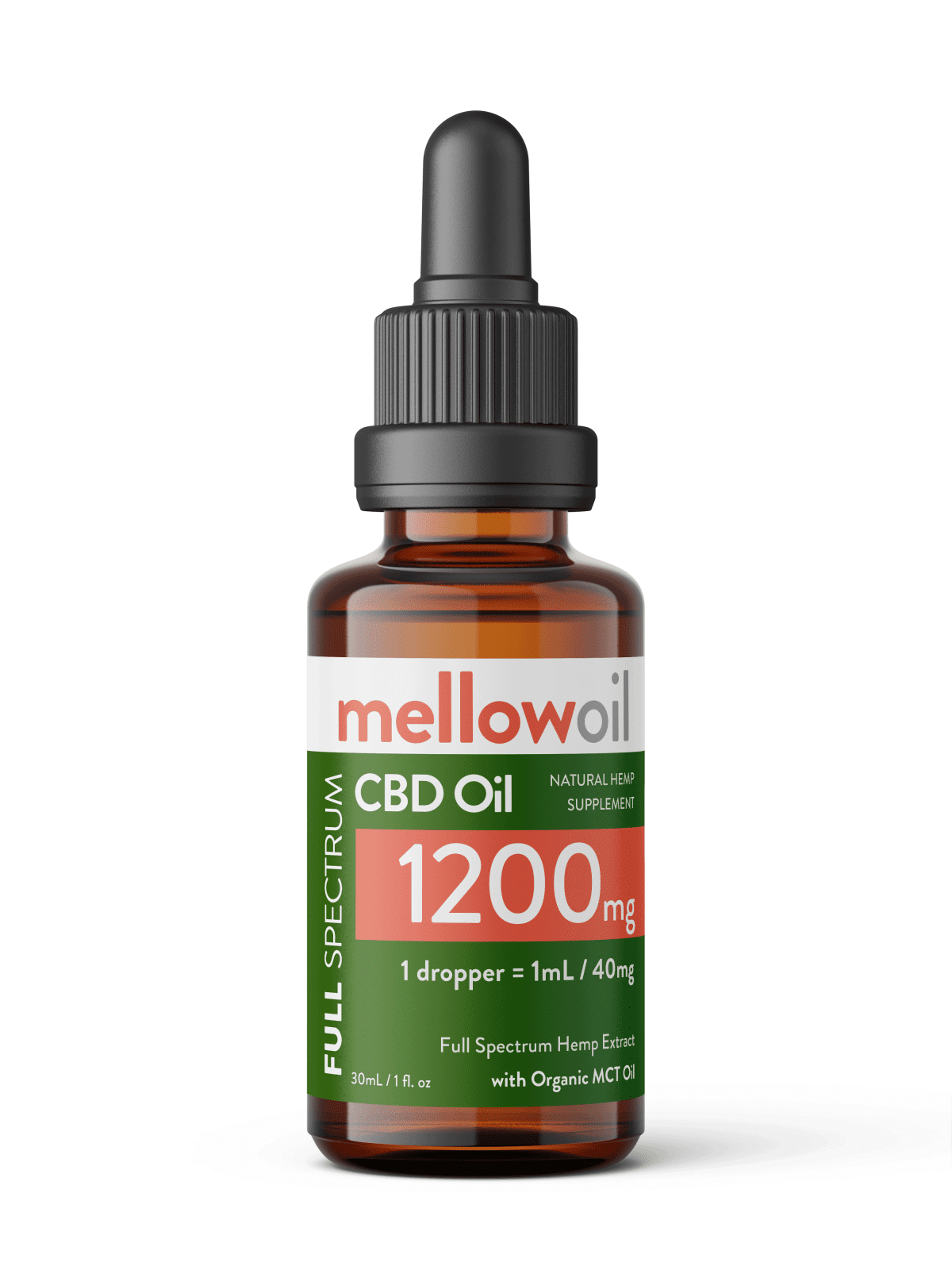
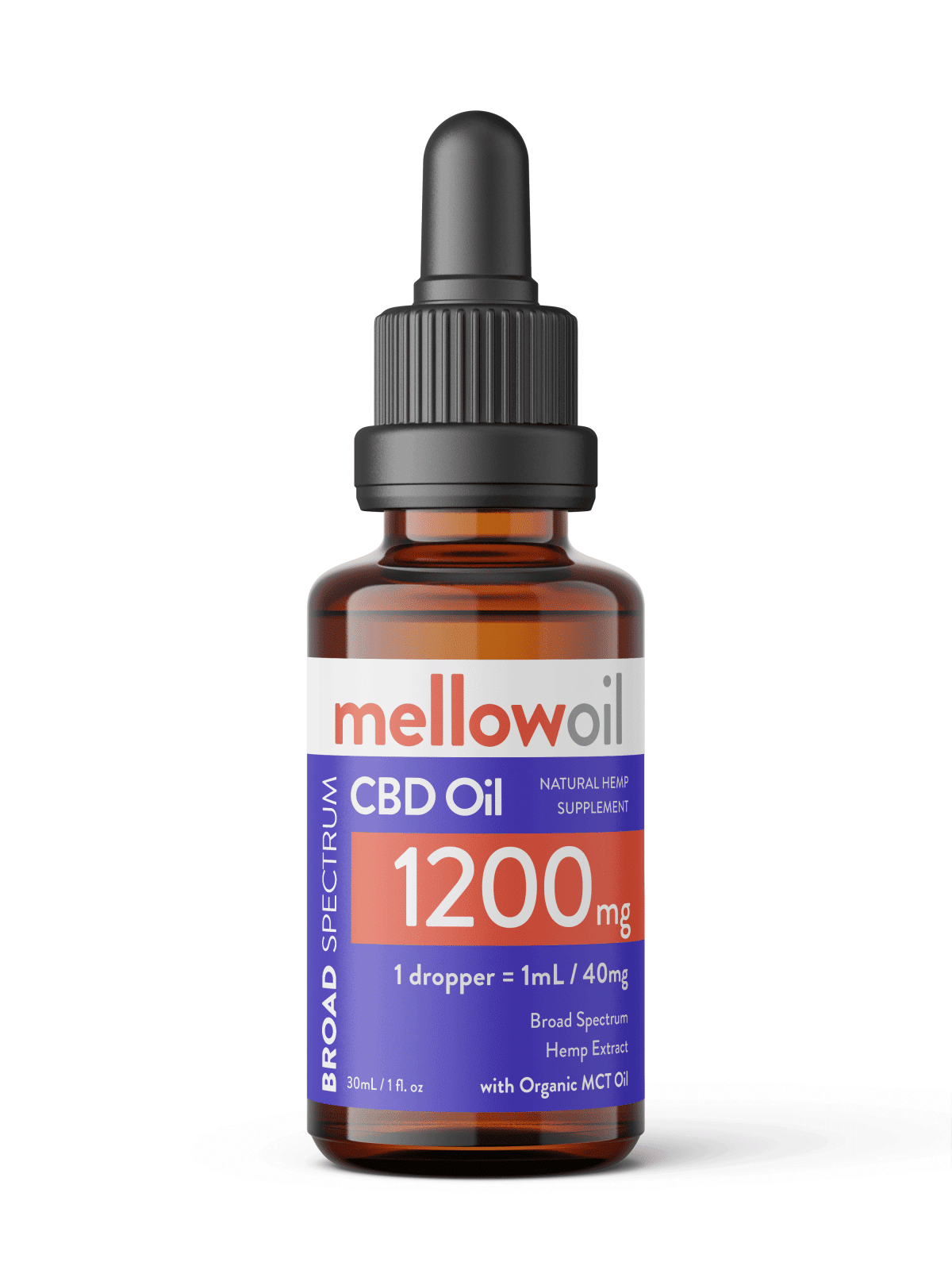
Mellow Oil Full Spectrum CBD Oil 30ml with 1200mg Cannabidiol / 40mg CBD per mL
★★★★★★81
$52.00 CAD
TL;DR: CBD Isolate is 99%+ pure cannabidiol — no THC, no other cannabinoids — making it ideal for precise dosing in tinctures, edibles, beverages, and topicals. This guide covers every method from rec
TL;DR: CBD Isolate is 99%+ pure cannabidiol — no THC, no other cannabinoids — making it ideal for precise dosing in tinctures, edibles, beverages, and topicals. This guide covers every method from recipes to carrier oil selection, with dosage ranges for anxiety (10–25 mg), pain (15–50 mg), and sleep (20–40 mg).
Learn about the benefits of CBD Isolate available in Canada. Get the benefits of cannabidiol with pure CBD isolate, a THC-free option for precise dosing and versatile applications. This guide tackles the nuances of measuring, dissolving, and integrating CBD isolate into your favorite tinctures, edibles, beverages, and topicals. We’ll cover everything from selecting the ideal carrier oil to calculating safe dosages. You’ll find:
If you’re aiming for calm or enhanced recovery, these recipes and usage techniques will help you incorporate CBD isolate safely and effectively into your wellness routine.
CBD isolate is cannabidiol in its purest form, typically 99% or more, completely free from THC and other cannabinoids. This crystalline powder dissolves easily into oils, edibles, and topicals, leaving no trace of taste or color while ensuring predictable results. Understanding its purity, benefits, and how it functions is key to mastering all our recipes and dosage recommendations.
Pure CBD isolate signifies cannabidiol that has been meticulously extracted from hemp and refined to remove all other cannabinoids, terpenes, flavonoids, and THC. Unlike full-spectrum extracts, which contain trace amounts of THC and a spectrum of cannabinoids that work together for an entourage effect, isolate guarantees zero psychoactivity. This makes it ideal for those mindful of drug testing or sensitive to other compounds. Its clear composition also simplifies formulation in foods and topicals, avoiding any interference with flavor or texture.
These benefits align perfectly with the clean profile of isolate, setting the stage for exploring its interaction with your body’s natural regulatory systems.
Emerging research suggests that CBD may effectively reduce pain and inflammation by interacting with the endocannabinoid system. This interaction can help lower levels of pro-inflammatory cytokines, potentially accelerating recovery and providing relief from discomfort.
This citation lends support to the article’s claims regarding CBD isolate’s benefits for pain and inflammation.
CBD interacts indirectly with CB1 and CB2 receptors, playing a role in slowing down the breakdown of your body’s own endocannabinoids, such as anandamide. This mechanism can contribute to improved mood stability, a higher pain threshold, and a more balanced immune response. By supporting your internal endocannabinoid equilibrium, isolate promotes homeostasis — the perfect foundation for customized dosing in tinctures, edibles, and topicals.
CBD interacts with the endocannabinoid system (ECS) by indirectly influencing CB1 and CB2 receptors, which can help modulate mood, pain perception, and immune responses. This interaction assists in regulating the ECS, potentially enhancing overall well-being and the body’s natural balance.
National Center for Complementary and Integrative Health, Cannabinoids (2023)
This research provides valuable support for the article’s explanation of how CBD isolate interacts with the body’s internal regulatory system.
Canada’s regulatory environment permits hemp-derived CBD products that meet stringent purity standards, driving significant demand for THC-free isolates. Consumers appreciate its certified potency, and the clarity of its legal status. This market preference for “cbd isolate canada pure” highlights a commitment to rigorous quality expectations, ensuring safe formulations and consistent wellness outcomes across all recipes and dosage guidance.
A CBD tincture is a blend of isolate and a carrier oil, designed for rapid absorption and precise dosing via drops. Following a clear recipe ensures maximum efficacy and stability.
To begin, gather these essentials:
Here’s a comparison of popular oils for dissolving CBD isolate, considering bioavailability, taste, and how long they remain stable.
| Carrier Oil | Bioavailability | Flavor Profile |
|---|---|---|
| MCT Oil | High (60%) | Neutral, no distinct aroma |
| Coconut Oil | Moderate (40%) | Subtle coconut notes |
| Hemp Seed Oil | Moderate (35%) | Nutty, with a hint of green |
| Olive Oil | Low (25%) | Distinctive, slightly peppery |
Each oil aids in absorption and helps stabilize CBD isolate at room temperature. Choosing the right oil ensures a pleasant taste and reliable dosing for your tincture creations. How do you know which one to pick? It depends on your taste preferences and how quickly you want the effects to kick in.
To ensure accurate potency, use this straightforward formula:
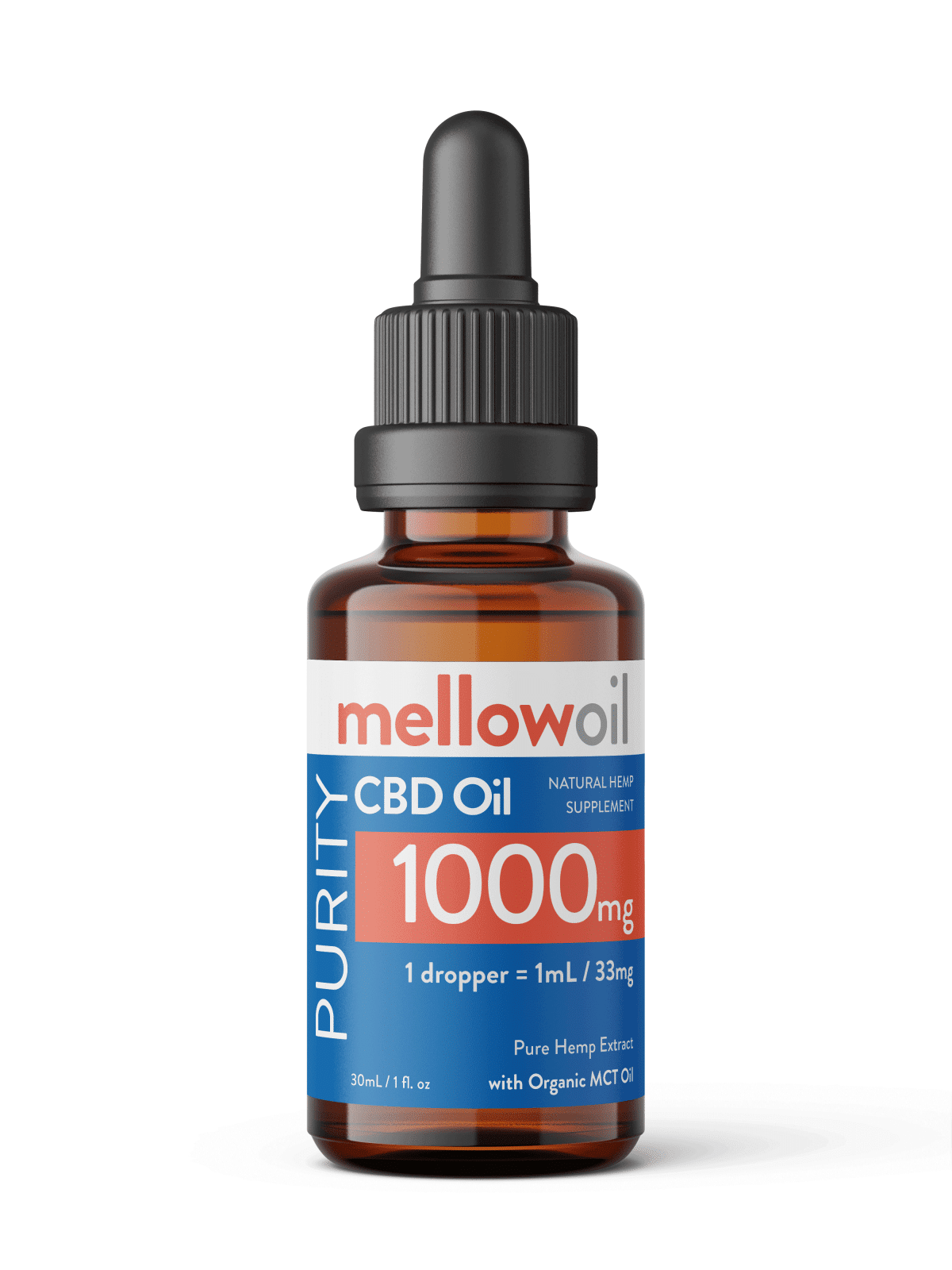
For instance, dissolving 1000 mg of isolate into 30 mL of MCT oil results in approximately 33 mg/mL. Start with 1 mL (which contains 33 mg) and adjust in 5–10 mg increments until you find your ideal dose. This calculation helps you tailor your drops for consistent, measurable effects.
To preserve potency and ensure complete dissolution, follow these steps:
Keep your tinctures in dark glass bottles, shielded from heat and light, to maintain their potency for up to 12 months. For precise dosing, consider marking your dropper increments or using an oral syringe. Remember to shake the bottle gently before each use to ensure the CBD crystals remain evenly dispersed.
These storage and usage tips are important for ensuring each drop delivers consistent benefits, naturally leading us into the world of edibles where stability and dosing are equally important considerations.
Edibles offer a discreet and flavor-customizable way to consume CBD. Whether you are making gummies or baked goods, maintaining precise heat control and ensuring even dispersion are key to preserving potency.
Start with your favorite basic gelatin or flour-based recipe, then gently incorporate your dissolved isolate. A typical gummy recipe might include:
Combine the juice and gelatin, warm gently, stir in the CBD oil mixture, pour into molds, and refrigerate for about 30 minutes. Brownies and cookies follow a similar infusion process: blend the CBD-MCT solution into melted butter before incorporating it into the main batter or dough.
Absolutely. Cooking at temperatures below 160 °C (320 °F) helps preserve cannabidiol. Pre-dissolving the isolate in oil ensures it disperses evenly throughout batters and doughs. Avoid applying direct heat to the isolate crystals themselves, and consider adding your CBD-infused oil towards the end of the cooking process to minimize degradation and maintain the full benefits of the cannabidiol.
Begin with a conservative serving of 5–10 mg of CBD per portion. Use the potency calculation method outlined for tinctures to determine the mg per bite or gummy. Keep a log of your intake and gradually increase by 2–5 mg increments until you achieve your desired level of relief. Consistent dosing is important for reliable relief from pain, anxiety, or sleep issues, without the risk of overconsumption. In our experience, keeping a simple notes log for the first two weeks makes the titration process much smoother.
Beyond the classics, you can infuse CBD isolate into a variety of delicious options:
Infusing CBD into your drinks offers the advantage of rapid absorption and the freedom to customize flavors. Understanding water-soluble options and effective mixing techniques is key to ensuring smooth distribution of the isolate.
Give these easy starters a try:
These recipes introduce CBD without overpowering the natural flavors, paving the way for deeper exploration into water-soluble formulations.
Water-soluble CBD isolate uses emulsifiers to create tiny structures called micelles, which disperse evenly in water-based beverages. This form can potentially enhance bioavailability compared to oil suspensions, although claims of significant increases often lack consistent clinical backing. It also simplifies preparation, eliminating the need for vigorous stirring and ensuring each sip delivers a uniform dose of cannabidiol.
To determine dosage, measure the total CBD (in mg) within the drink and divide it by the number of servings. For example, dissolving 100 mg into a 500 mL pitcher results in 20 mg per 100 mL pour. Keeping track of these values is important for accurate consumption across multiple servings.
Always pre-dissolve your isolate in a small amount of warm oil or a water-soluble base before blending it into the full beverage. Rapid blending or vigorous whisking helps prevent settling, while using moderate temperatures avoids cannabinoid breakdown — ensuring consistent potency from the first glass to the very last drop.
This approach transitions smoothly into topical applications, where dispersion and dosage precision are equally important.
Topicals provide targeted, localized support by combining CBD isolate with beneficial emollients and carrier oils. Proper formulation is key to maximizing absorption and anti-inflammatory effects.
A foundational topical formula typically includes:
Follow this controlled heating protocol for best results:
Apply a small, pea-sized amount (approximately 5–10 mg of CBD) directly to the affected area, 2–3 times daily. Gently massaging the area can enhance absorption. For larger areas, adjust the total CBD accordingly — up to 20–30 mg per application — to effectively manage discomfort or inflammation.
CBD can penetrate the skin’s layers to interact with local endocannabinoid receptors, helping to reduce cytokine-driven inflammation and promote analgesia. Consistent topical application can support sustained relief in joints and muscles, complementing systemic tincture or edible dosage strategies.
With both topical and edible methods covered, our next focus is on establishing proper dosage guidelines to maximize benefits safely.
Determining the right CBD isolate dosage involves considering your body weight, metabolism, and the specific condition you’re addressing. A structured approach ensures effectiveness without leading to overuse. This tends to work well when you start low and track your response before adjusting.
Dosage ranges often suggested by experienced practitioners include:
It’s always best to start at the lower end of the range and gradually increase, carefully observing how your body responds to each adjustment.
Several key variables can affect your ideal dosage:
Taking these factors into account will help you establish a personalized dosage that aligns with your specific wellness goals.
Adopt a “start low and go slow” approach:
CBD isolate is generally well-tolerated by most individuals. However, potential side effects at higher doses can include dry mouth, drowsiness, or mild gastrointestinal discomfort. You’ll want to consult with a healthcare professional before use, especially if you are taking prescription medications, to avoid any potential interactions — particularly with blood thinners and antiepileptic drugs.
Understanding these dosage guidelines will help you sort out common application issues, which we address in the next section.
Even with clear recipes and instructions, users might encounter challenges with solubility, potency consistency, or minor user errors. These troubleshooting tips are designed to help you maintain consistency and efficacy in your preparations.
If your mixture isn’t dissolving properly or you’re experiencing uneven dosing:
Adhering to these practices should resolve most common issues and guide you toward selecting the most suitable carrier oils, which form the foundation of every successful recipe.
Carrier oils serve a dual purpose: they help solubilize CBD and also influence the final product’s flavor, absorption rate, and shelf life. Comparing their attributes can streamline your recipe selection process.
| Oil Type | Absorption Rate | Taste Impact | Shelf Stability |
|---|---|---|---|
| MCT Oil | High | Odorless, neutral flavor | Up to 18 months |
| Coconut Oil | Moderate | Subtle coconut notes | Approximately 12 months |
| Olive Oil | Low | Peppery, robust flavor | Approximately 6 months |
| Hemp Seed Oil | Moderate | Nutty, herbaceous flavor | Approximately 9 months |
For Tinctures: MCT oil is an excellent choice, offering rapid absorption and a neutral flavor profile. For Edibles: Coconut oil blends easily into baked goods and smoothies. For Topicals: Olive or hemp seed oil provides beneficial fatty acids for skin health in lotions and salves.
The fats present in carrier oils assist CBD’s journey through the lymphatic system, which can enhance its bioavailability. Medium-chain triglycerides (MCTs), in particular, bypass initial liver metabolism and enter the bloodstream more directly, potentially speeding up the onset of effects. Understanding these mechanisms is key to optimizing both systemic and localized CBD benefits.
Choosing the right oil completes your formulation process, making the final consideration one of legal and health compliance.
Safe consumption of CBD isolate relies on a solid understanding of regulations, sourcing high-quality isolate, and seeking professional guidance when necessary.
When buying CBD isolate, look for products that provide:
You should seek medical advice if you:
By using these recipes, troubleshooting tips, and quality guidelines, you can confidently create effective CBD isolate products — whether your preference lies with tinctures, edibles, beverages, or creams. Each method supports reliable dosing, meets stringent purity standards, and maximizes the therapeutic potential of cannabidiol without any THC. By applying precise calculations, controlled heating techniques, and proper storage practices, you’ll consistently achieve the wellness benefits tailored to your individual needs.
Where to get CBD isolate: See our CBD isolate Canada guide.
The information in this article is for educational purposes only and is not intended as medical advice. Always consult with a healthcare professional before starting any new supplement, including CBD products.
Sources & Further Reading
Oils and Tinctures
Oils and Tinctures
Oils and Tinctures

CBD, CBN, or melatonin for sleep in Canada? Compare onset, duration, dependency risk, and daily suitability. Research-backed guide with dosage starting points.
CBN isolate is a pure, THC-free cannabinoid extract gaining traction in Canada for sleep support. Learn what it is, how it differs from CBD, and what to look for when buying.

Find the cheapest CBD oil in Canada without sacrificing quality. 2026 price comparison, value tips, and lab-tested picks from 2 CAD.