
Oils and Tinctures
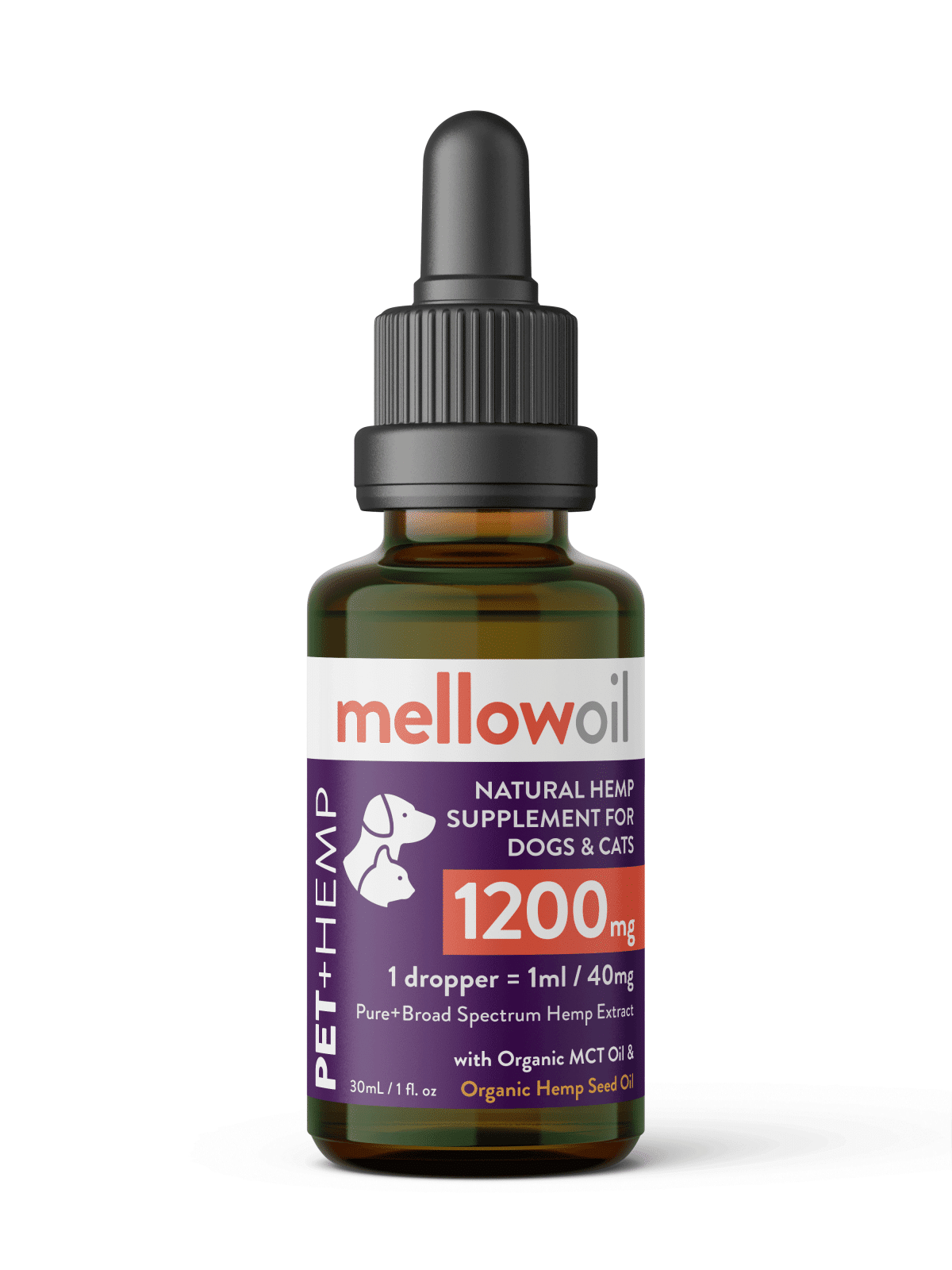
Mellow Oil PET + HEMP with 1200mg of Pure + Broad Spectrum Hemp Extract rich with Cannabinoids 30mL bottle / 40mg per 1mL
★★★★★★15
$59.99 CAD
Learn how CBD impacts appetite, weight, and metabolism. Discover the benefits and side effects of CBD oil.

Around the globe, people use CBD for its potential medicinal purposes, both orally and topically. It may help relieve stress and anxiety, reduce inflammation, help with insomnia and chronic pain, and even regulate blood sugar levels.
One of the most frequently asked questions from people – Does taking CBD oil increase appetite?
Unfortunately, the answer to this question can be a little confusing; depending on the individual, CBD oil may increase OR decrease appetite.
CBD (cannabidiol) is one of the hundreds of compounds present in cannabis plants; known as cannabinoids, these compounds are responsible for many different effects on the body.
The majority of CBD derives from hemp, a variety of the cannabis plant that contains less than 0.3% THC by dry weight.
CBD is non-psychoactive, and it doesn’t produce any high in users. It usually comes in an oil form and is taken orally, though it is also manufactured in various other forms, including gummies, capsules, topicals, and vapes.
Because CBD oil doesn’t have any psychoactive properties that may directly stimulate the appetite, it can be challenging to answer this question.
Some people argue that CBD oil will increase your appetite by activating your body’s cannabinoid receptors. In contrast, others claim CBD oil will reduce the signals from these receptors and decrease your appetite.
CBD oil won’t necessarily make you hungry or crave food, but CBD may affect our appetite by activating the CB1 and CB2 cannabinoid receptors that regulate hunger signals throughout the body.
Some studies done on the subject showed an increase, while others showed a decrease.
Bottom line – more research is necessary to determine what is causing the specific reaction in these cases.
People often compare CBD and THC since CBD oil can be obtained from both marijuana and hemp. In hemp, CBD is naturally present in higher quantities, while THC tends to be more concentrated when found in marijuana.
Research shows that THC can help combat nausea and stimulate appetite. It is a psychoactive cannabinoid that produces mind-altering effects when consumed.
THC increases the hunger hormone ghrelin, which can increase food cravings and hunger – this is commonly referred to as the munchies.
THC also increases appetite by binding to CB1 receptors in an area of the brain that controls hunger and appetite.
On the other hand, CBD doesn’t have these psychoactive properties and won’t produce the same “high” or changes in mood that THC does. It also doesn’t bind to the same receptors in the brain that control appetite.
Because CBD oil has been shown to reduce nausea and pain, it may also impact the individual’s appetite.
Some people may experience an increase in hunger or cravings after consuming CBD because of its ability to potentially ease symptoms that are commonly associated with the decreased desire for food (nausea, abdominal pain, etc.).
The munchies are a term for the excessive hunger and cravings that many people experience after cannabis consumption.
THC is famous for causing the munchies due to its psychoactive properties and the specific receptors it binds with in the brain.
CBD doesn’t have the same psychoactive properties as THC; it’s unlikely to result in the hunger or cravings you might experience from consuming THC.
CBD also works differently than THC because it doesn’t bind directly with the same receptors in the brain as THC does. CBD is used by the body to help promote homeostasis and aid in overall wellness.
CBD acts on CB1 and CB2 receptors, which can have a wide range of effects on the body, both physically and mentally.
These receptors are located everywhere throughout the Endocannabinoid System and have a high concentration in the brain and digestive tract; knowing that, it makes sense that CBD will naturally cause some changes when ingested.
While CBD is often discussed in conjunction with CB receptors, it doesn’t bind directly with either one of them; instead, it indirectly affects them.
CB1 receptors are commonly associated with THC, a cannabinoid in cannabis that acts powerfully on this receptor and is responsible for the high it produces in users.
CBD doesn’t cause the same psychoactive effects as THC but may stimulate these receptors and cause other effects.
CB2 receptors, specifically, play a big part in how well your digestive system and gastrointestinal tract function.
These receptors are located primarily in the immune and gastrointestinal systems.
When you use CBD oil, these receptors are stimulated and may affect several things:
When all of these aspects are put into motion, it’s no wonder why CBD can be said to increase your appetite.
There are a few more ways that taking CBD oil may affect your appetite.
According to studies, CBD can activate and stimulate the genes and proteins involved in fat breakdown. Researchers also found that CBD can improve mitochondrial activity and number, allowing the body to burn calories faster.
CBD has been studied for its ability to reduce inflammation and may help deal with bloating or general discomfort; this can affect how you feel and your appetite.
CBD is often used to help people that are experiencing chemotherapy or other forms of drug treatment.
One of the significant side effects of chemotherapy is nausea and vomiting; CBD may help with these effects and may also stimulate appetite.
New research indicates that regular use of cannabis may actually help your waistline.
Despite the preconceived notion that the munchies would cause weight gain, this study revealed that regular cannabis users generally weigh less than non-users.
There’s some evidence to suggest that CBD can convert white fat cells into brown fat cells, which might aid weight loss by increasing the body’s ability to burn calories.
White fat is typically stored in the body for energy purposes. Brown fat, on the other hand, is not stored – it burns calories to produce heat or keep us warm.
White fat is linked to an increased risk of many chronic diseases, including heart disease and diabetes.
According to this study, CBD contributed to the conversion of white fat cells into brown fat cells and boosted fat metabolism by encouraging the body to break down fats more effectively.
Despite some evidence that CBD can help you lose weight, CBD oil is also sometimes associated with weight gain.
Research shows CBD as being able to reduce inflammation, which can cause bloating and gastrointestinal discomfort – both linked to low appetite.
The lack of inflammation and discomfort may be enough to stimulate appetite in some people; we need more research in this area, but studies show that it could theoretically cause weight gain.
CBD oil has a multitude of potential health benefits and can have a positive effect on your appetite.
CBD can potentially reduce the gastrointestinal effects often associated with chemotherapy, including nausea and vomiting.
It’s also thought to help promote healthy digestion in general. CBD may even convert white fat cells into brown fat cells – a process that creates heat and helps increase your calorie burning.
But should you use it as a weight-loss supplement?
The jury is still out on this one – much more research is needed to understand why CBD seems to decrease appetite in some cases while increasing it in others.
Until then, nothing is going to replace the benefits of a healthy diet and exercise.
The information in this article is for educational purposes only and is not intended as medical advice. Always consult with a healthcare professional before starting any new supplement, including CBD products.
Sources & Further Reading
Oils and Tinctures
Oils and Tinctures
Pet Hemp

CBD, CBN, or melatonin for sleep in Canada? Compare onset, duration, dependency risk, and daily suitability. Research-backed guide with dosage starting points.
CBN isolate is a pure, THC-free cannabinoid extract gaining traction in Canada for sleep support. Learn what it is, how it differs from CBD, and what to look for when buying.

Find the cheapest CBD oil in Canada without sacrificing quality. 2026 price comparison, value tips, and lab-tested picks from 2 CAD.