
Oils and Tinctures
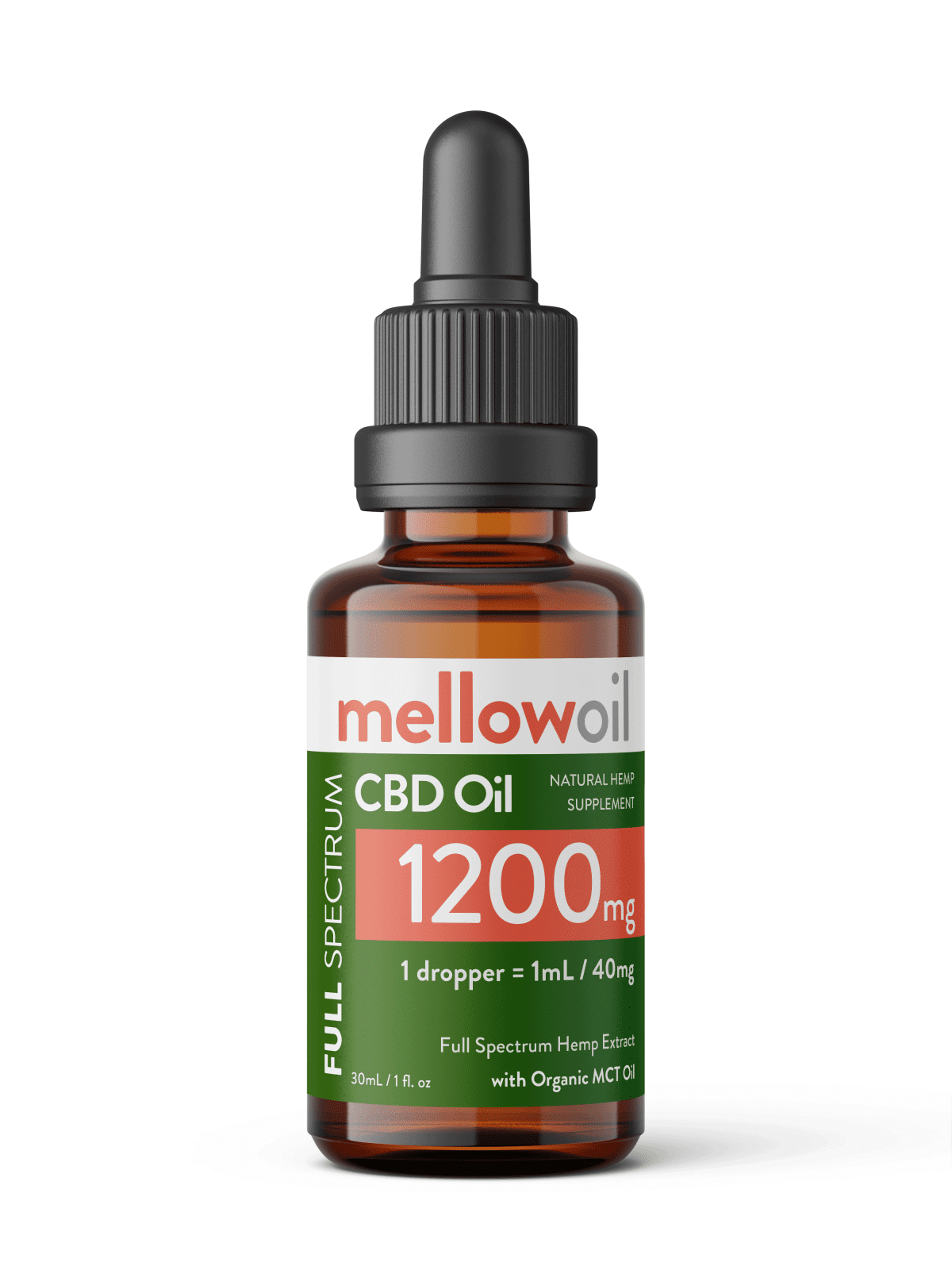
Mellow Oil Full Spectrum CBD Oil 30ml with 1200mg Cannabidiol / 40mg CBD per mL
★★★★★★81
$52.00 CAD
CBD and THC are two names showing up everywhere — from wellness shops to health headlines — each promising very different experiences. Most people know that THC makes you feel high, but many are surpr

CBD and THC are two names showing up everywhere — from wellness shops to health headlines — each promising very different experiences. Most people know that THC makes you feel high, but many are surprised to find out that CBD can interact with your endocannabinoid system without causing any mind-altering effects at all. The real curveball is that despite coming from the same plant and sharing a similar structure, their effects on your brain and body are almost opposites — even their medicinal uses are worlds apart.
TL;DR: CBD and THC both come from cannabis but work very differently. THC binds directly to brain receptors and produces a “high.” CBD modulates those receptors without intoxication, making it useful for stress, sleep, and neurological support. CBD may even reduce some of THC’s harsher effects. Neither is a cure-all, but knowing the difference helps you make smarter choices.
| Takeaway | Explanation |
|---|---|
| CBD is non-psychoactive | Unlike THC, CBD doesn’t produce intoxicating effects, making it a preferred choice for wellness applications. |
| THC is psychoactive | THC produces a ‘high’ by binding to brain receptors, creating psychological and physiological changes. |
| Different interaction mechanisms | THC binds directly to CB1 receptors, while CBD modulates receptor activity without intoxication. |
| CBD may reduce THC effects | CBD could soften some adverse effects associated with THC, making cannabinoid use more balanced. |
| Distinct health applications | THC can help with pain and appetite, while CBD may support neurological conditions and stress management. |
Cannabis contains numerous chemical compounds called cannabinoids, with CBD and THC being the two most prominent and well-researched. Understanding their unique characteristics is key to grasping how they interact with the human body and what they might be useful for.
Cannabidiol (CBD) and tetrahydrocannabinol (THC) are both naturally occurring compounds found in cannabis plants. While they share similar molecular structures, their effects on the human body differ significantly. According to research from the National Center for Biotechnology Information, these compounds both interact with the body’s endocannabinoid system but produce distinctly different physiological responses.
Both compounds come from the same plant species, yet their properties create fundamentally different experiences:
For those who want to dig into cannabinoid science more deeply, our overview on cannabinoids provides additional context on these compounds.
While they come from similar botanical sources, CBD and THC represent two very different approaches to interacting with the body’s complex biological systems. Their molecular similarities hide profound differences in how they engage with our neurological and physiological processes.
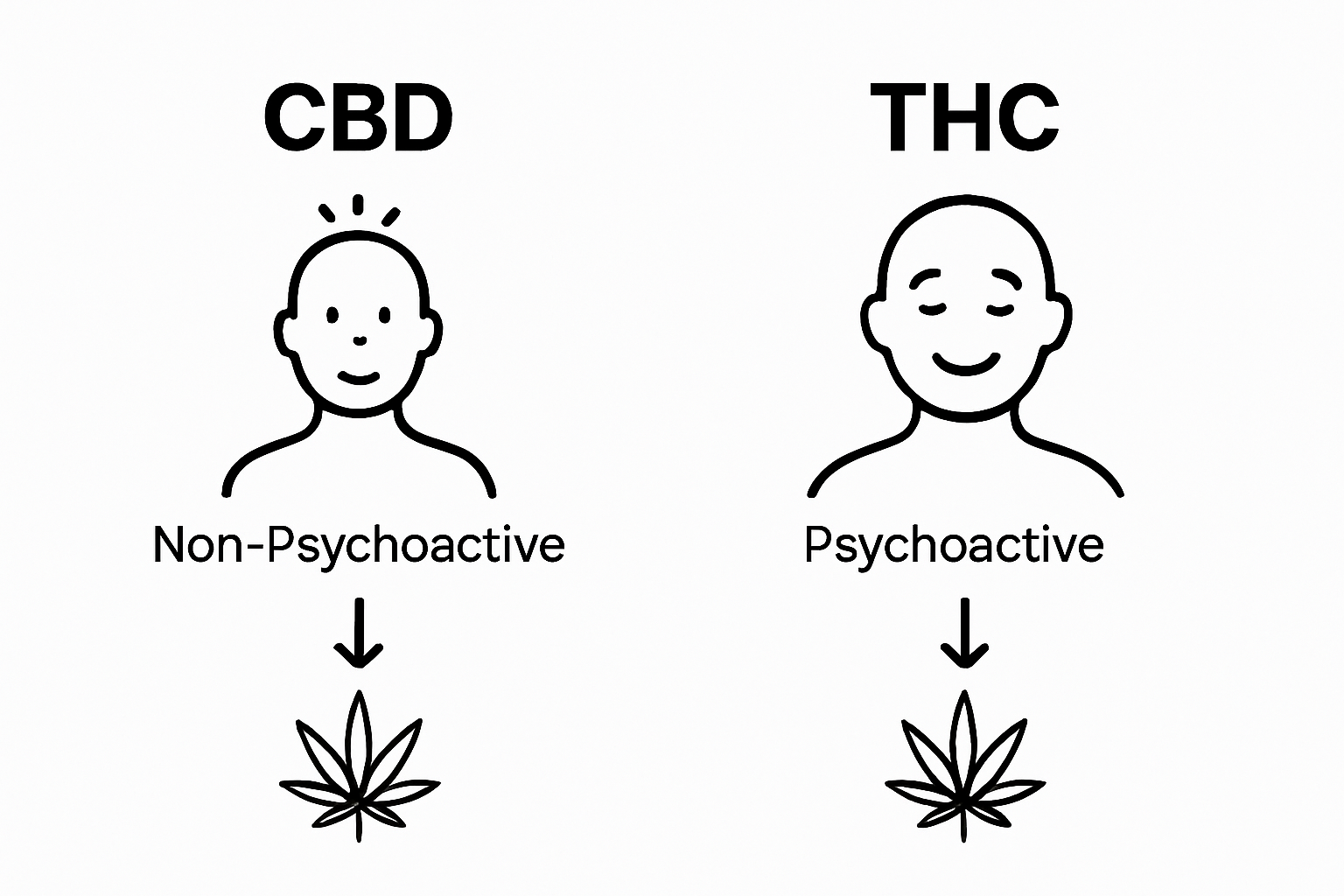
Knowing the differences between CBD and THC matters for making informed decisions about wellness, personal health, and potential therapeutic use. Understanding their unique properties and effects gives people the ability to approach cannabinoid use with greater confidence.

Research from the National Institutes of Health shows that CBD and THC interact differently with the endocannabinoid system. THC binds directly to cannabinoid receptors and produces psychoactive effects. CBD works through more nuanced mechanisms, potentially offering wellness benefits without intoxication.
Understanding the differences allows people to make more informed choices about potential health applications:
For those wanting more depth on cannabinoid science, our cannabinoid overview provides additional context and research-backed information.
By recognising the unique characteristics of these compounds, people can make choices that align with their personal wellness goals and comfort levels.
The human body’s endocannabinoid system is a complex communication network where CBD and THC engage in very different ways. Understanding these mechanisms helps explain why these compounds produce such distinct physiological responses. What’s the difference, really? It comes down to how each compound handles receptors.
Research from the National Institutes of Health shows that THC and CBD interact with cannabinoid receptors through fundamentally different pathways. THC acts as a direct agonist, binding strongly to CB1 receptors primarily located in the brain, which triggers psychoactive experiences. In contrast, CBD works as a subtle modulator, influencing receptor activity without producing intoxicating effects.
The interaction of these compounds with the body’s systems reveals some fascinating differences:
For enthusiasts wanting deeper scientific detail, our cannabinoid exploration guide covers the research in depth.
These nuanced interactions show just how sophisticated cannabinoids are, and how molecular differences translate into dramatically different bodily experiences and potential therapeutic uses.
Making sense of the cannabinoid space means understanding the fundamental distinctions between CBD and THC. While these compounds share a botanical origin, their interactions with the human body produce dramatically different experiences and outcomes.
Research from the National Institutes of Health highlights the critical differences in how these compounds engage with the body. THC is psychoactive — it produces mind-altering effects by directly binding to brain receptors and triggering euphoric sensations. CBD is non-psychoactive, working as a subtle molecular influencer without inducing intoxication or significant cognitive change.
The unique characteristics of CBD and THC show up clearly in their distinct interaction mechanisms:
For anyone wanting a deeper look, our cannabinoid exploration guide provides extensive scientific insights.
These differences underline the complexity of cannabinoids and show how molecular structures lead to profoundly different physiological responses.
The table below compares the main characteristics of CBD and THC directly.
| Aspect | CBD (Cannabidiol) | THC (Tetrahydrocannabinol) |
|---|---|---|
| Psychoactive Properties | Non-psychoactive | Psychoactive (produces a ‘high’) |
| Typical Source | Cannabis (primarily hemp varieties) | Cannabis (primarily marijuana varieties) |
| Receptor Interaction | Modulates receptor activity, doesn’t directly bind to CB1 receptors | Directly binds and activates CB1 receptors in the brain |
| Common Effects | May ease stress, support neurological balance, promotes wellness | Alters mood, perception, and physiological state |
| Medical Uses | Potential support for epilepsy, anxiety, wellness | Appetite stimulation, pain management, nausea relief |
| Legal Status (General Context) | Often legal or less restricted | Heavily regulated or illegal in many contexts |
| Adverse Effects | Minimal; may reduce THC adverse effects | Can cause anxiety, altered cognition, and intoxication |
The therapeutic potential of cannabinoids goes well beyond recreational use — emerging research points to diverse applications in wellness and medical contexts. Understanding the specific roles of CBD and THC helps people make better-informed decisions about potential health support strategies.
Research from the National Cancer Institute shows the specific medical applications of cannabinoids. THC has been clinically approved for managing symptoms like chemotherapy-induced nausea and appetite stimulation. CBD shows promise in addressing neurological conditions — particularly certain epilepsy syndromes — and has potential in anxiety management. In our experience, this is where the clearest clinical evidence sits for both compounds.
The different applications of CBD and THC open up some genuinely useful wellness possibilities:
For anyone interested in the science behind cannabinoid research, our cannabinoid exploration guide offers in-depth insights into current scientific understanding.
These emerging applications show the real potential of cannabinoids — and how molecular compounds can interact with human physiology in targeted, meaningful ways.

Not sure about the difference between CBD and THC, or which cannabinoid fits your personal wellness plan? Understanding these compounds can feel overwhelming, especially when you’re looking for natural ways to manage pain or anxiety. This post has laid out the key contrasts between CBD and THC. The next step is finding quality products designed around your specific goals.
Discover Health-Focused CBD Options

At Mellow, we’ve helped a lot of Canadians find their way through the CBD vs. THC question — and the right product for the right goal makes a real difference. If you want to see how CBD might support your specific needs or fine-tune your routine, visit our dosage advice hub or look at the trusted selection at Buy Mellow. Take charge of your health with solutions made for Canadians who value clarity and transparency.
CBD (cannabidiol) is a non-psychoactive compound associated with wellness benefits, while THC (tetrahydrocannabinol) is the psychoactive component responsible for the ‘high’ sensation from cannabis.
CBD works as a subtle modulator of the endocannabinoid system, engaging with receptor activity without causing intoxicating effects. THC directly activates CB1 receptors in the brain, producing psychoactive experiences.
Yes, CBD may help soften some of the adverse effects associated with THC, making the experience more balanced for users who consume both compounds together.
THC is often used for medical symptom management, such as easing chemotherapy-induced nausea and stimulating appetite. CBD shows promise for neurological conditions and may help with stress reduction and overall wellness.
The information in this article is for educational purposes only and is not intended as medical advice. Always consult with a healthcare professional before starting any new supplement, including CBD products.
Sources & Further Reading
Oils and Tinctures

Oils and Tinctures
Oils and Tinctures

CBD, CBN, or melatonin for sleep in Canada? Compare onset, duration, dependency risk, and daily suitability. Research-backed guide with dosage starting points.
CBN isolate is a pure, THC-free cannabinoid extract gaining traction in Canada for sleep support. Learn what it is, how it differs from CBD, and what to look for when buying.

Find the cheapest CBD oil in Canada without sacrificing quality. 2026 price comparison, value tips, and lab-tested picks from 2 CAD.